Who we are
For over 35 years, GRAME and its passionate team have been working to build resilient communities in a healthy, sustainable environment.


OUR CONVICTION
At a time when climate change is becoming humanity's main challenge, and 75% of the world's population lives in urban areas, GRAME is convinced that it is possible to build resilient communities that live in healthy, sustainable environments. This is its raison d'être, which it pursues with unabashed optimism.
GRAME recognizes that climate change amplifies social inequalities, and that the most vulnerable populations are the most affected, and often the first, by climate change; it takes this into account in its decisions and contributes to greater environmental justice.
OUR MISSION
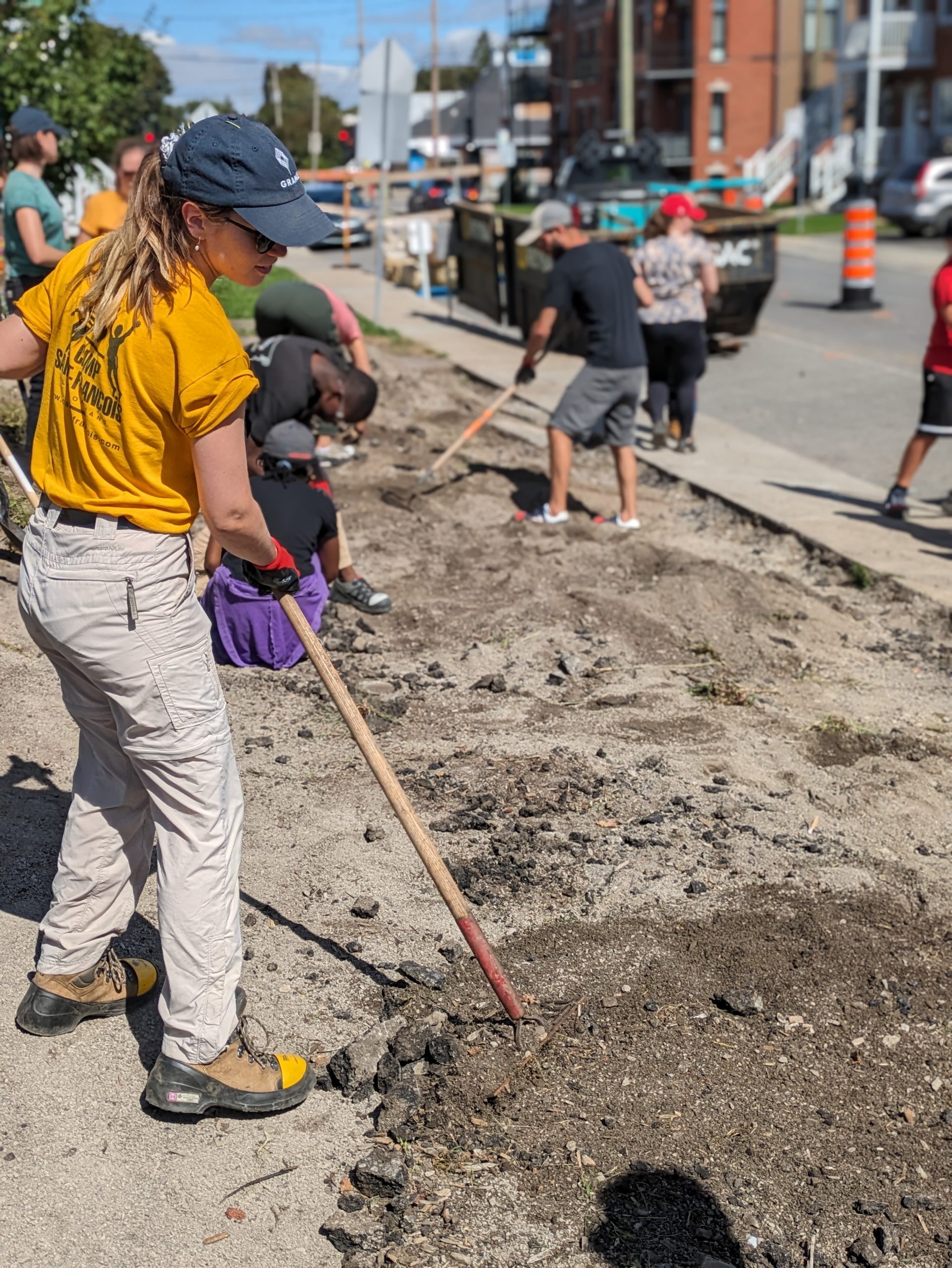
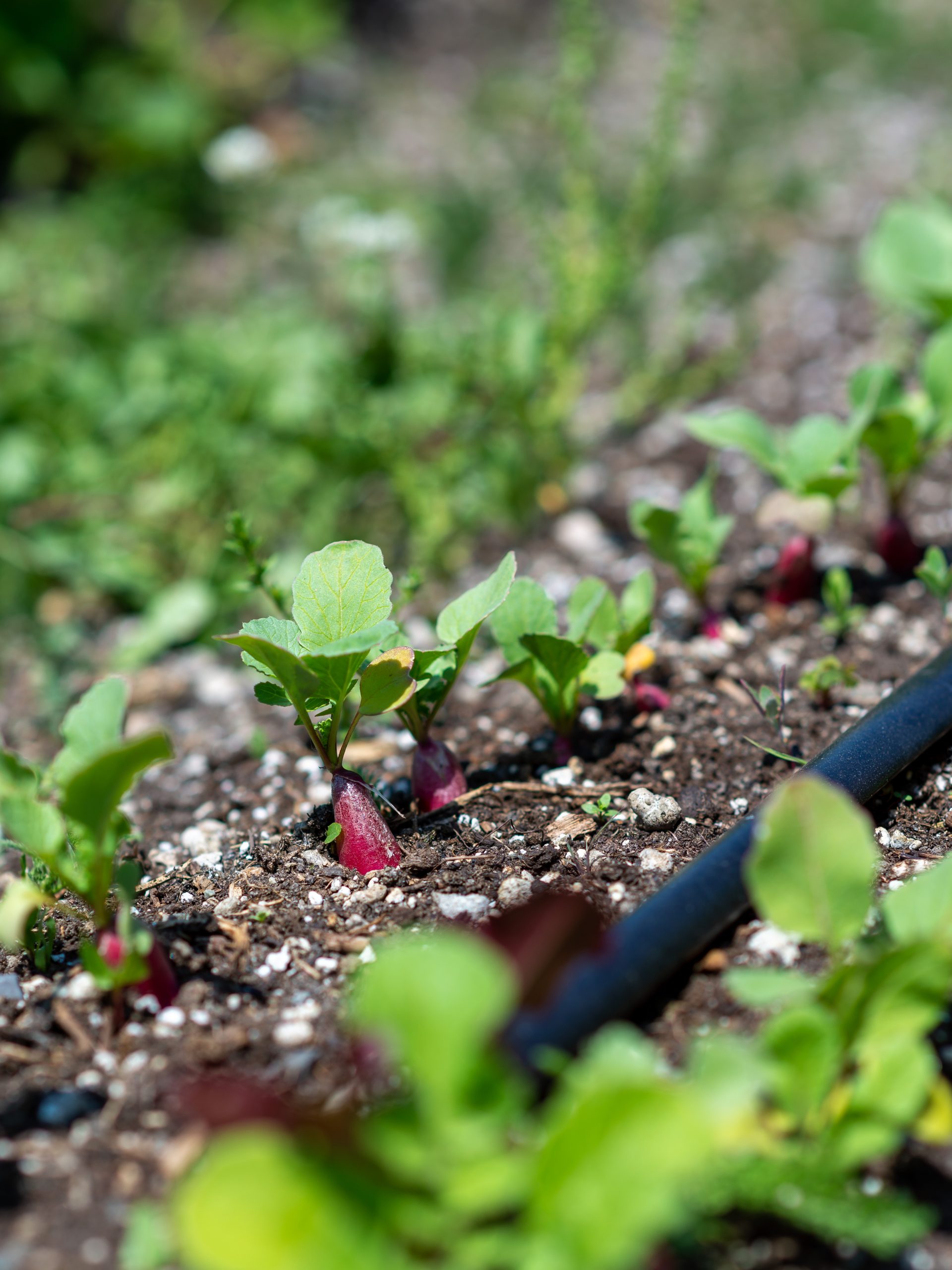
GRAME - Groupe de recommandations et d'actions pour un meilleur environnement - works in collaboration with the public, communities and organizations, as well as governments, by intervening in the field, deploying education and awareness programs, and issuing recommendations rooted in the scientific rigor that has characterized it since its inception.
Discover how our actions embody our mission year after year!
OUR PRIORITIES
Encourage eco-citizenship from an early age.
Thinking about and experiencing the city that promotes health and well-being.
Promoting the empowerment and resilience of vulnerable communities.
Helping citizens and organizations take action.
Over 35 years in the field
GRAME celebrates over 35 years of action for a healthier, more sustainable environment. Together, we've planted the seeds for greener, more resilient communities!
From 1989 to today, hover over the images to learn more about our key milestones.
1989
GRAME, the Groupe de recherche appliquée en macro-écologie, was founded by 5 students. The goal is to bring new ideas and solutions to major environmental challenges.

1993
First intervention at the Régie de l’énergie du Québec.
Since then, GRAME has been mandated by the government as the representative of environmental groups within the Canadian delegation for the implementation of the United Nations Framework Convention on Climate Change (UNFCCC).
1995
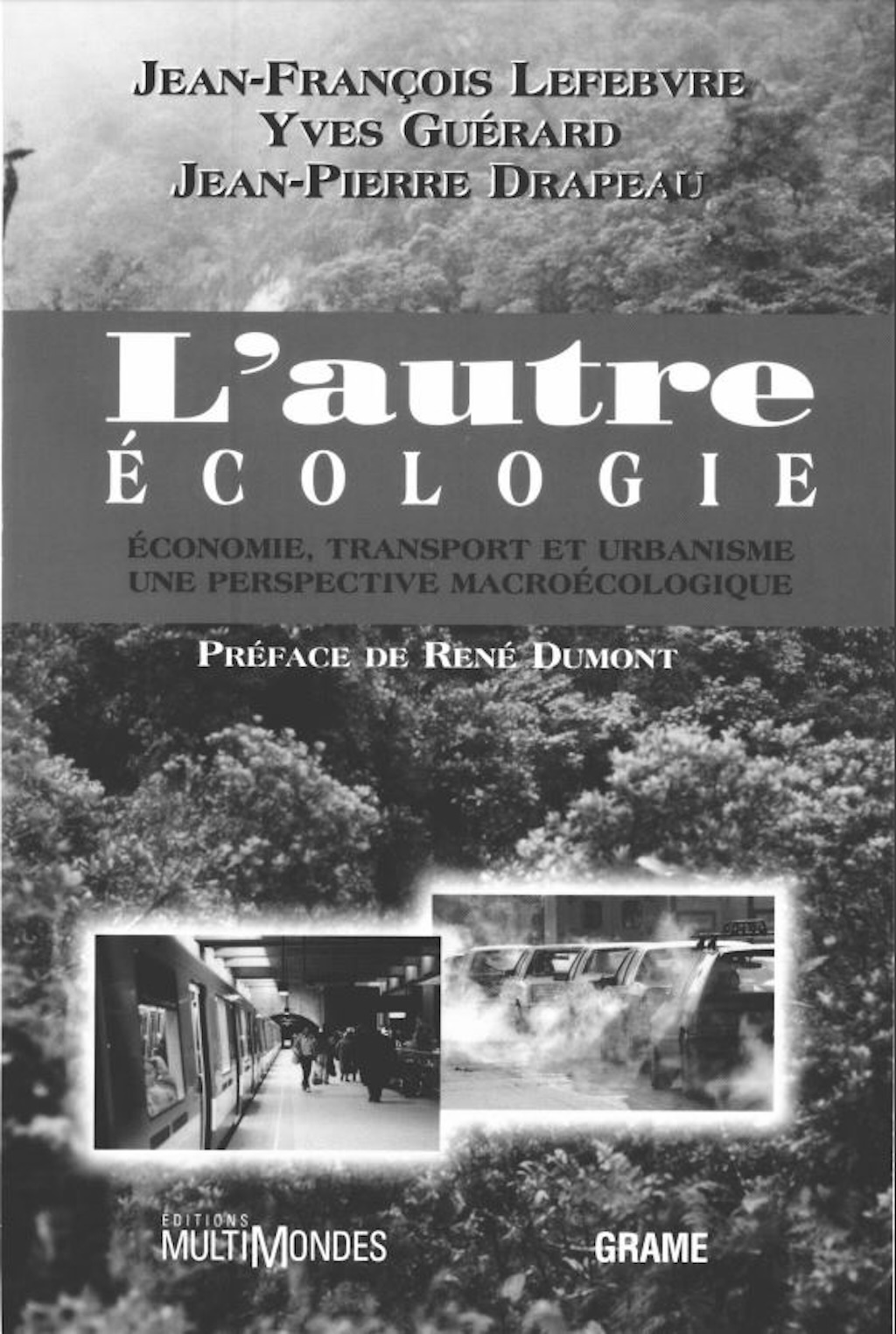
GRAME publishes the book "L’autre écologie", which addresses two themes: the need for an ecological tax reform and the issue of transportation and urban planning.

1996
Organization of the first ecofiscality conference in Quebec. To learn what ecofiscality is, click here!
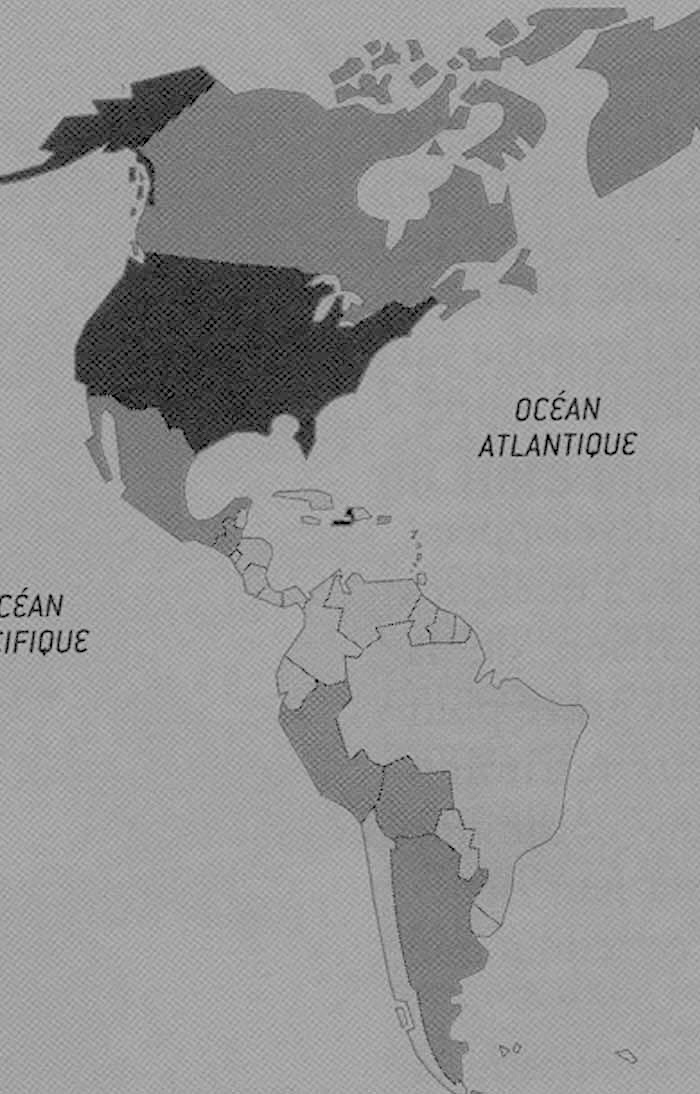
1998
Participation in the federal process to implement the Kyoto Protocol.
GRAME’s offices are set up in Lachine. GRAME adds a community dimension to its mission by integrating actions at the local level.
2005
Launch of the ClimAction campaign, a series of conferences and support to reduce GHG emissions.
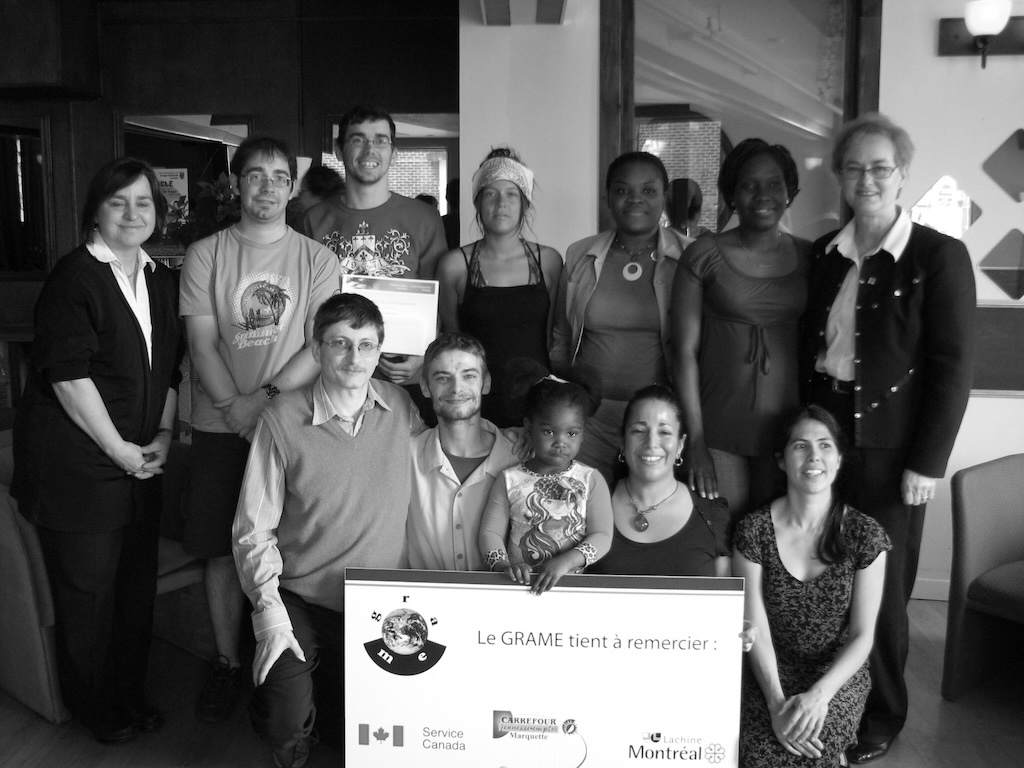
2006
First ARIME cohort (Action Régionale d'Intervention en Milieu Environnemental). For several years, GRAME welcomed young adults with non-traditional backgrounds to form green brigades.
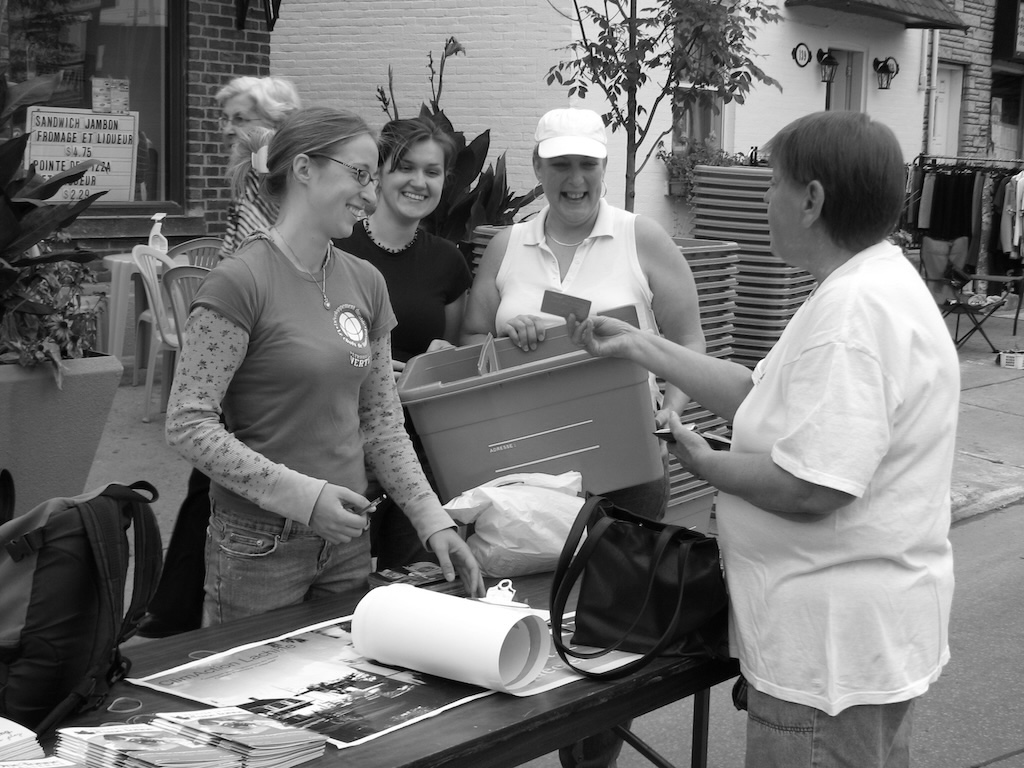
2006
Roll-out of wheeled-bin recycling in Lachine. All buildings with 9 units or more now have recycling bins.
2007
Creation of the Ma COOP Efficace program. Implementation of energy-efficiency measures in more than 300 Quebec housing co-ops.
2008
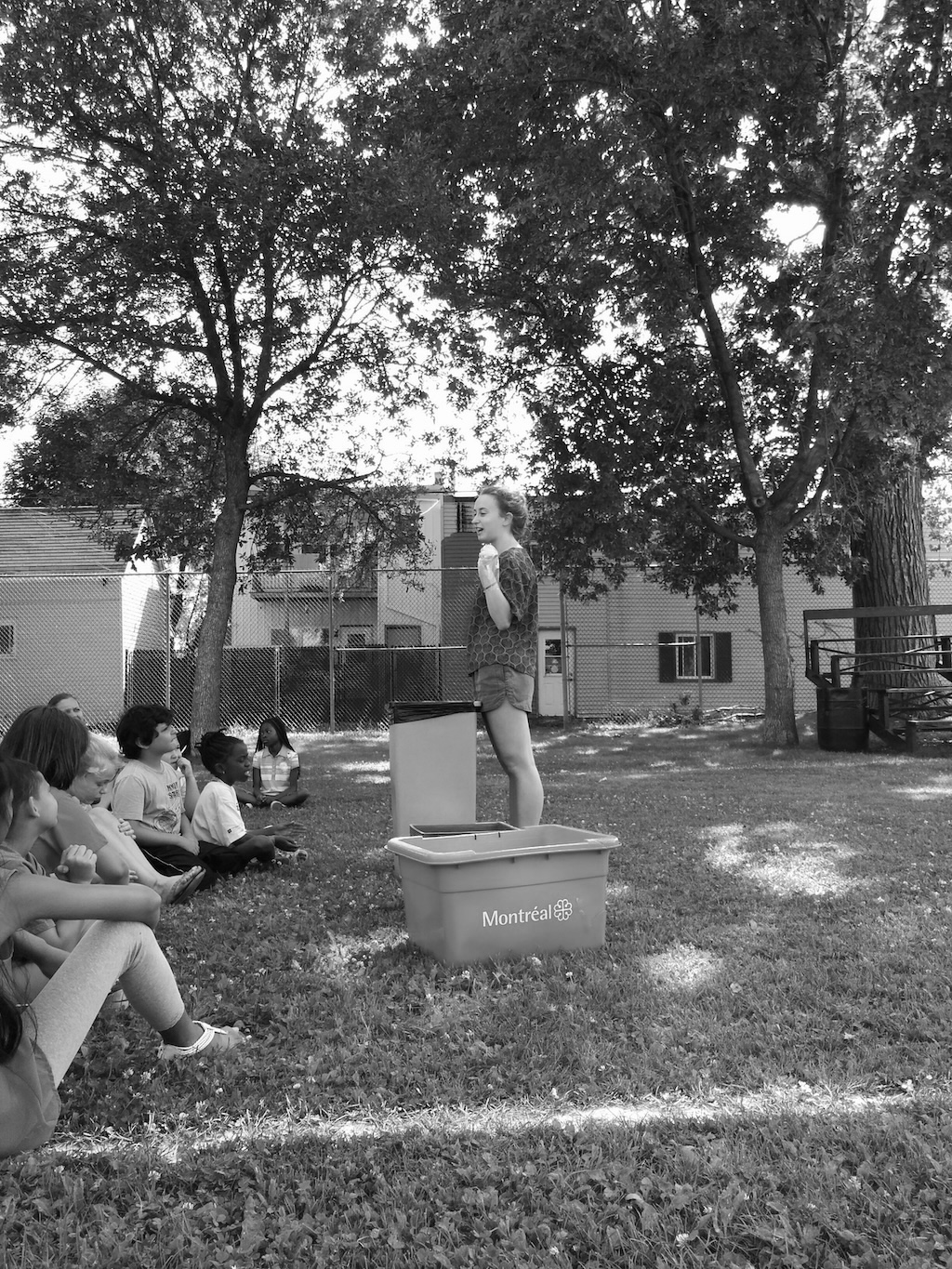
First zero-waste camp in Lachine. From 2008 to 2013, more than 1,500 children were made aware of proper residual materials management and other environmental issues.
2010
Secured a grant of nearly $1 million from the Fonds vert to fight urban heat islands.
2010
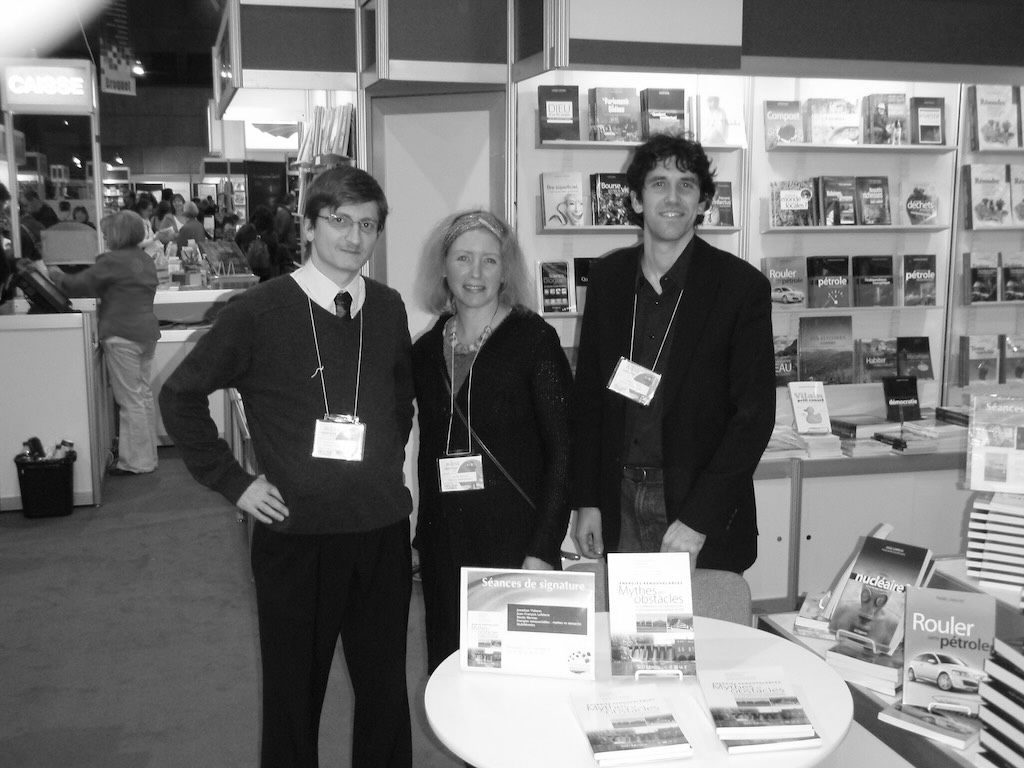
Publication of the book Renewable Energy: Myths and Obstacles, which explores the myths and obstacles to overcome for a sustainable energy transition.
2011
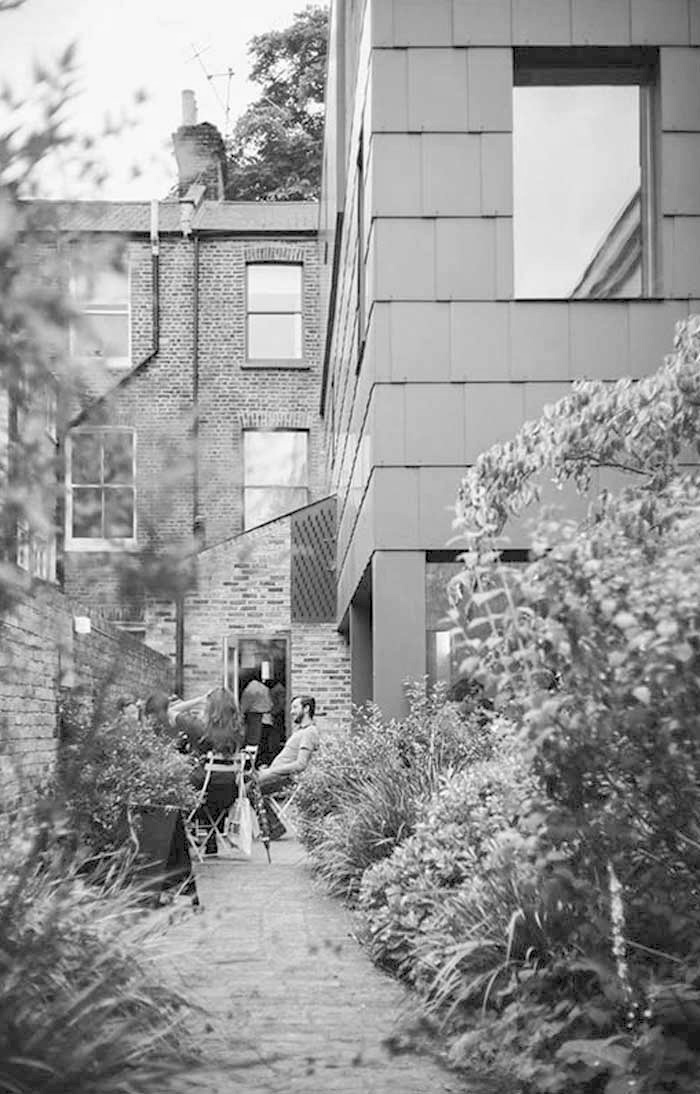
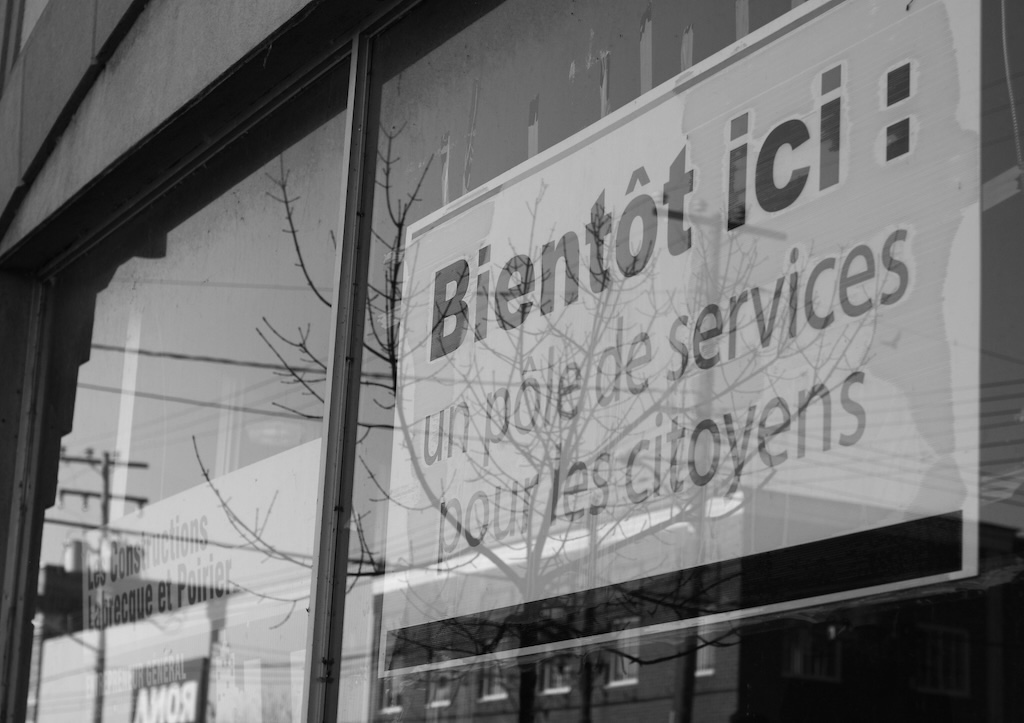
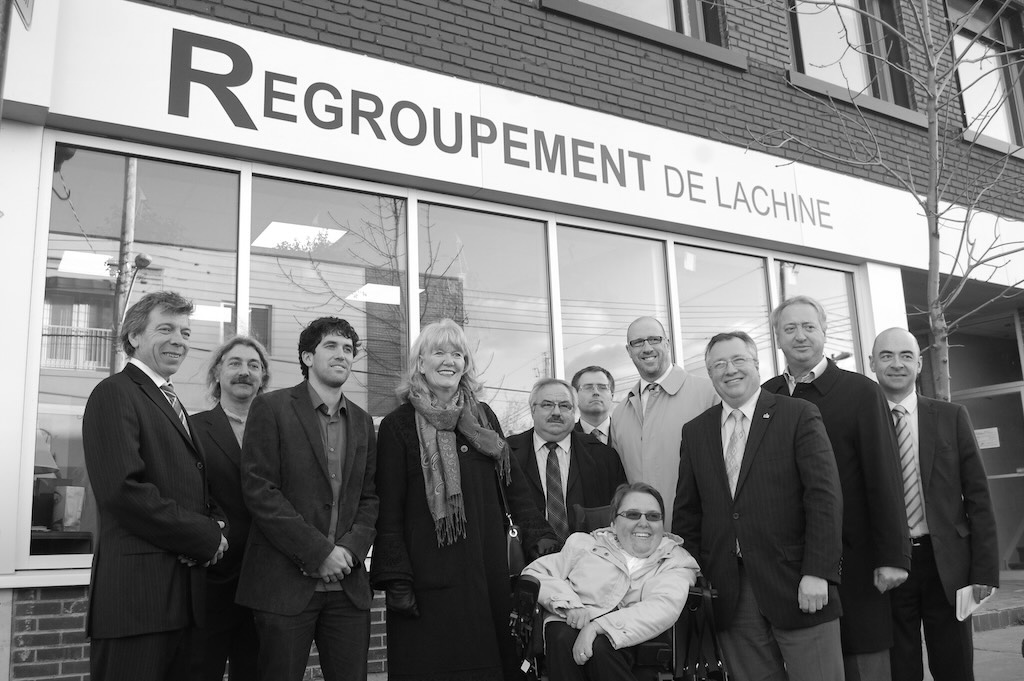
Co-founding and move into the eco-building of the Regroupement de Lachine in a former IGA. The idea is to bring different organizations together in one place to better serve the community and have a stronger impact.
2011
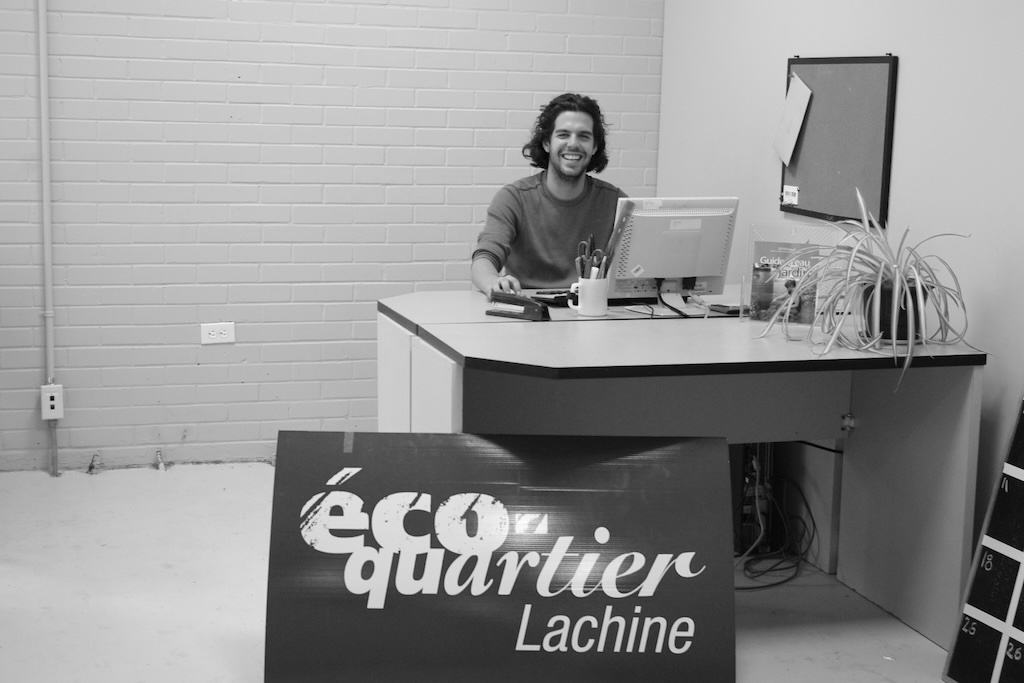
GRAME’s first mandate to manage the Éco-quartier Lachine.
2012
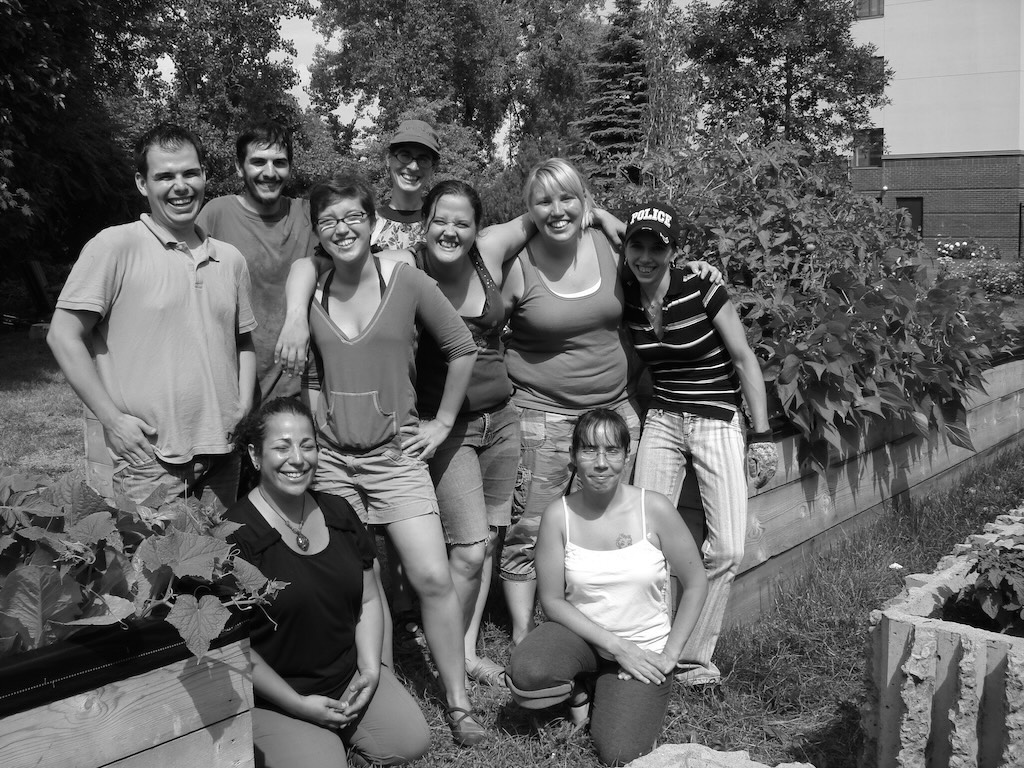
GRAME becomes the lead organization for Lachine’s community gardens. These gardens are shared spaces where people can garden together, connect, and take home harvests. To learn more about community gardens and their many benefits, visit our page on the topic.

2013
Creation of one of GRAME’s flagship greening programs: ICI, on verdit! This campaign offers a turnkey planting service for industries, businesses and institutions (ICI).
2013
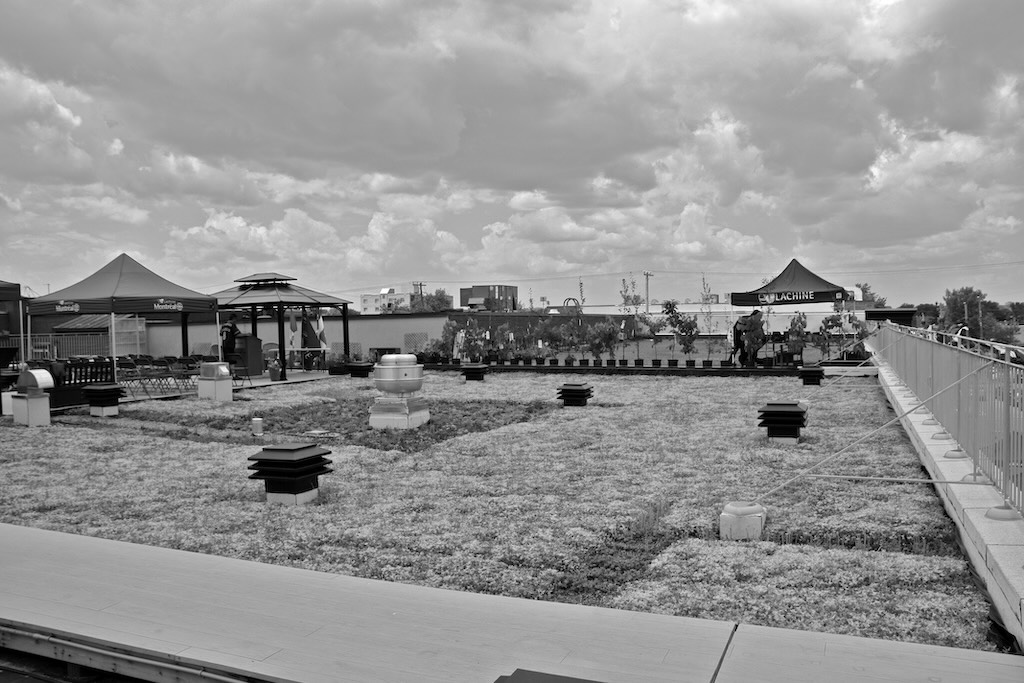
Development of one of the largest green roofs in the Greater Montréal area. To support the goal of a more eco-responsible building, this roof was built and brought various benefits such as increased biodiversity, water retention, and reduced heat-island effect.

2014
A reading and environmental awareness program is born: Lecteurs en herbe. Through it, workshops help young children discover the world of reading while learning about the environment around them.
2015
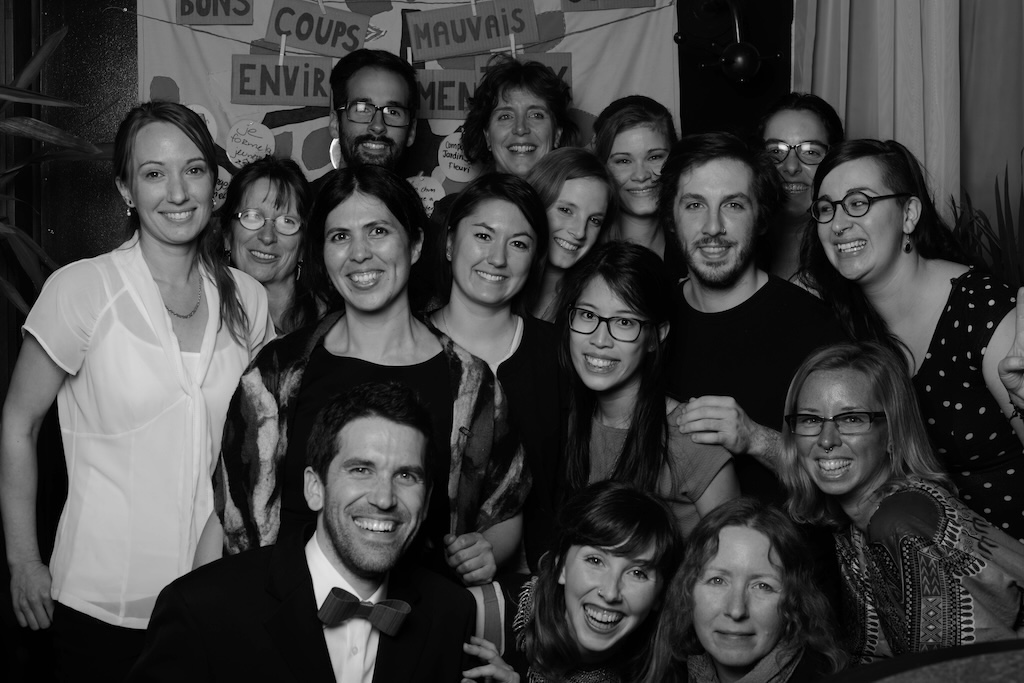
First edition of the GRAMiE’s Environment Gala, an evening aimed at raising funds while also recognizing environmental initiatives in Montréal.
2019
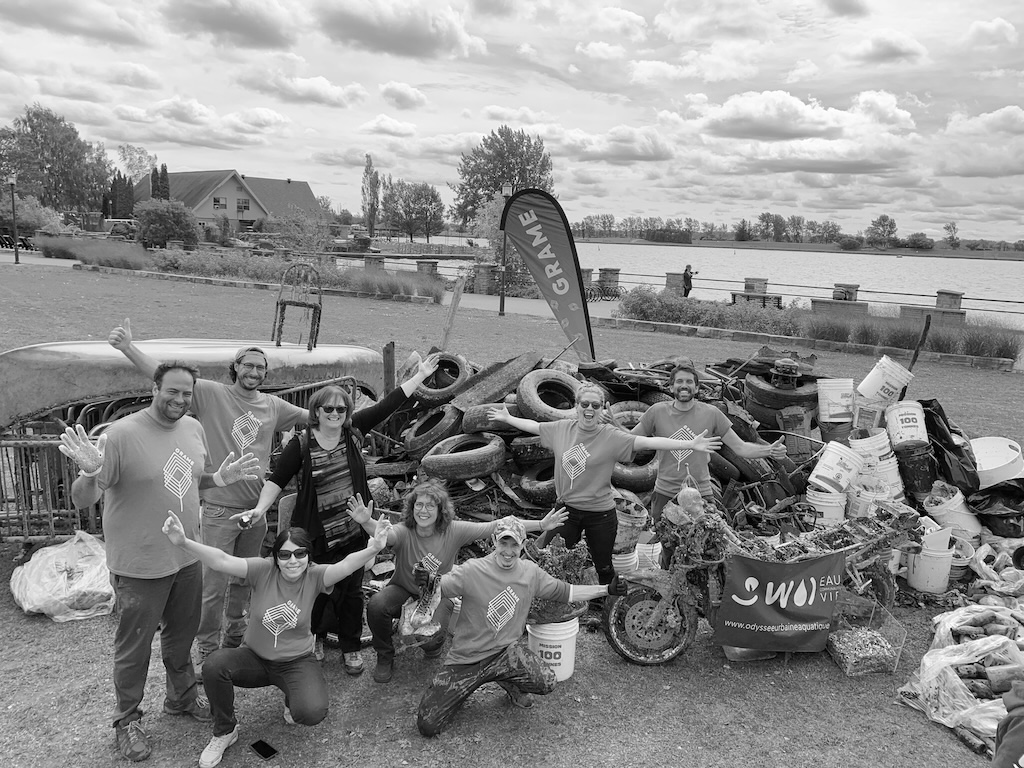
A 24-hour cleanup operation is organized in Lachine in collaboration with diver Nathalie Lasselin and Mission 100 tonnes, as part of the Opération nettoyage 360o project. Over 24 consecutive hours, more than 200 volunteers and divers collected 4,129 kilos of waste along Lachine’s shoreline and in the river!

2019
On the occasion of its 30th anniversary, GRAME changes its name and logo: Groupe de recommandations et d’action pour un meilleur environnement.
2019
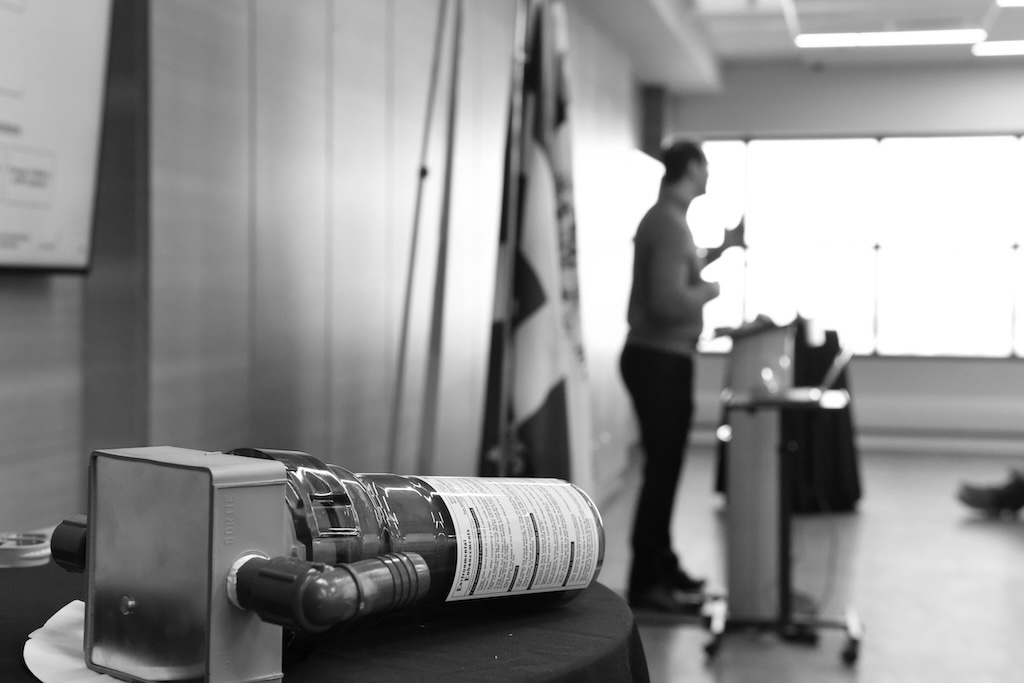
GRAME launches the Pour un fleuve plus propre program. As part of a citizen science project, microfiber filters for washing machines are provided to 30 residents. To see the results of this project, click here!
(photo credit: Denis Bernier)

2021
Building on the Pour un fleuve plus propre project, GRAME sets up a grant and advisory program for municipalities to reduce the purchase cost of reusable menstrual products.
2021
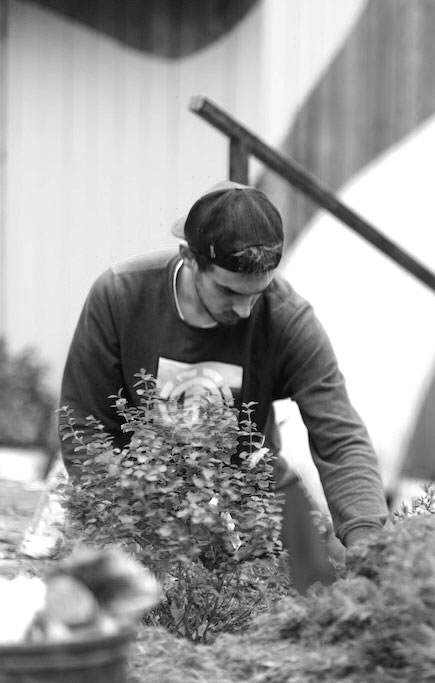
Launch of the VIVRE project (Inclusive, Green, Resilient and Equitable City). This initiative aims for participatory greening in disadvantaged areas to reduce the effects of heat islands.

2021
Launch of the Ensemble on verdit campaign to replace trees cut down on residential properties.

2022
Aiming to improve the health of waterways in the West Island, the Allô Ruisseau project is launched. Cleanup operations to collect waste, as well as plantings, are organized along Montréal’s stream banks.

2023
Statement by the City of Montréal on water protection following our citizen science project on microfibres from synthetic textiles with Polytechnique Montréal. To learn more about the project, watch the video produced by RECYC-QUÉBEC!
2023
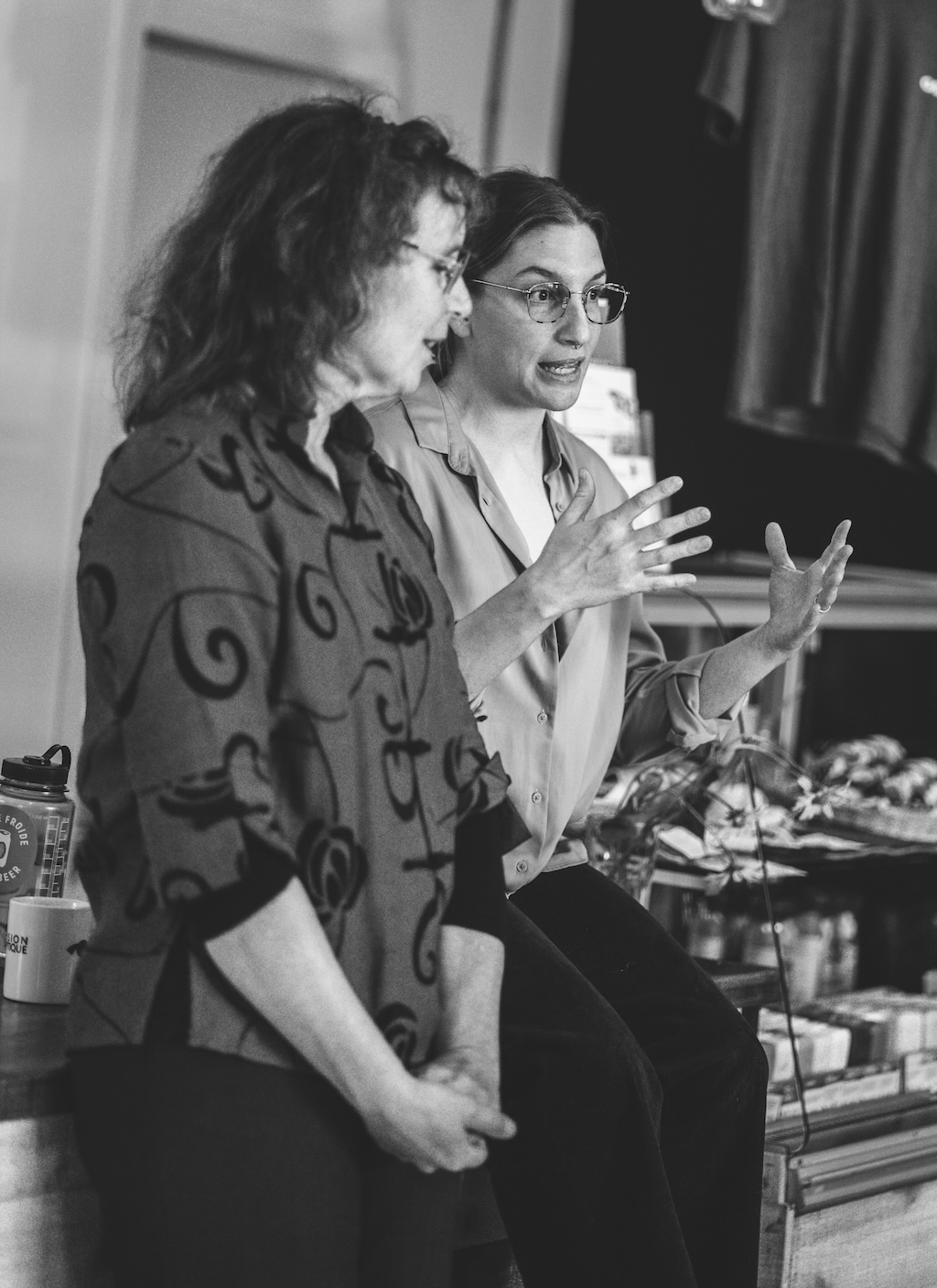
Opening of Coin Tournant, the first community space dedicated to the socio-ecological transition in Lachine.
2023
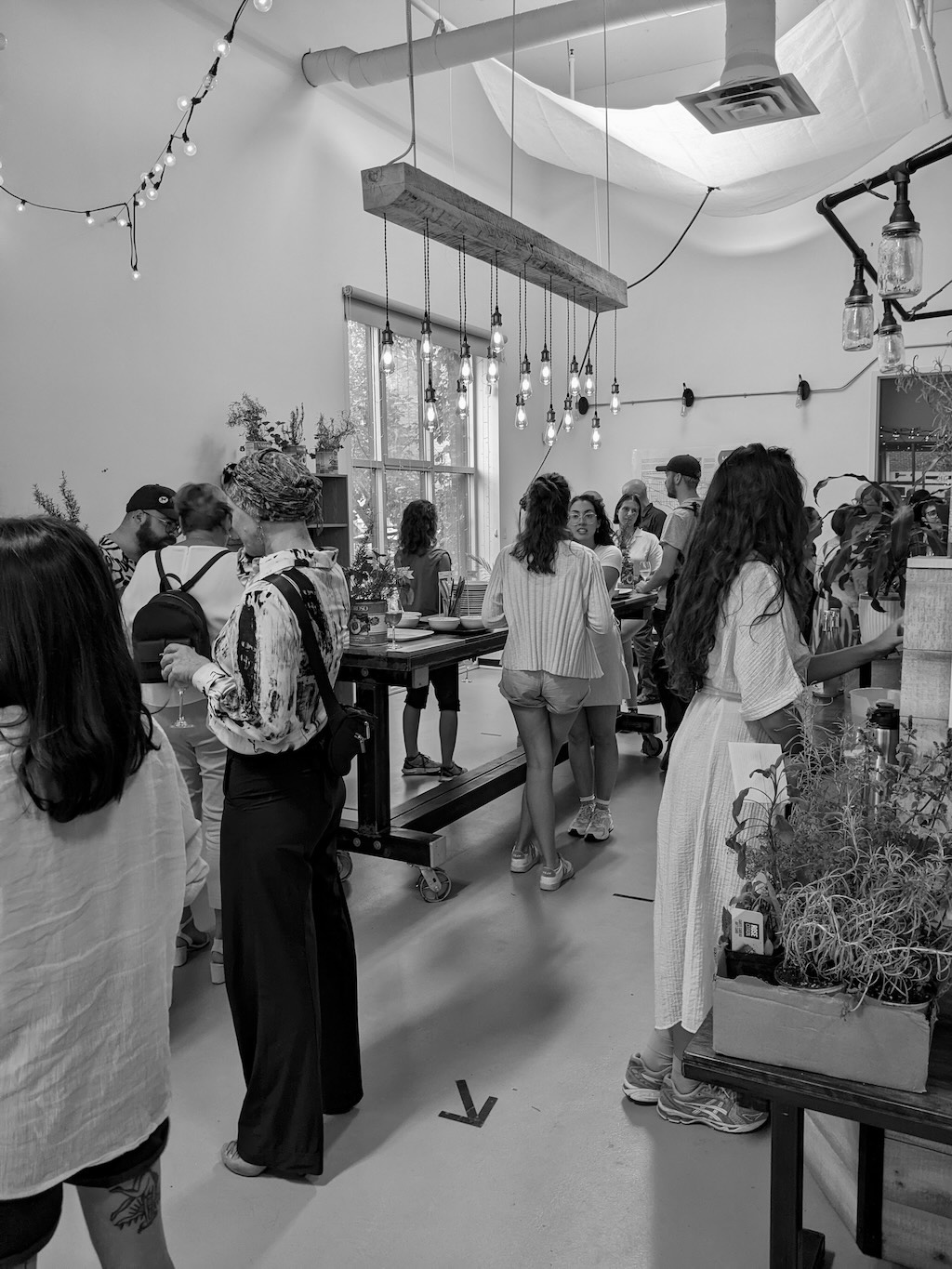
First edition of the Défi Fleuri, an initiative encouraging residents to brighten their spaces with pollinator-friendly and native plants.

2024
GRAME is awarded the mandate for the Éco-quartier Sud-Ouest, expanding its scope of action!
Development and opening of the Royal Dixie community garden in Dorval. Weekly gardening, as well as themed workshops and events to celebrate the garden’s progress and harvests, are held there.
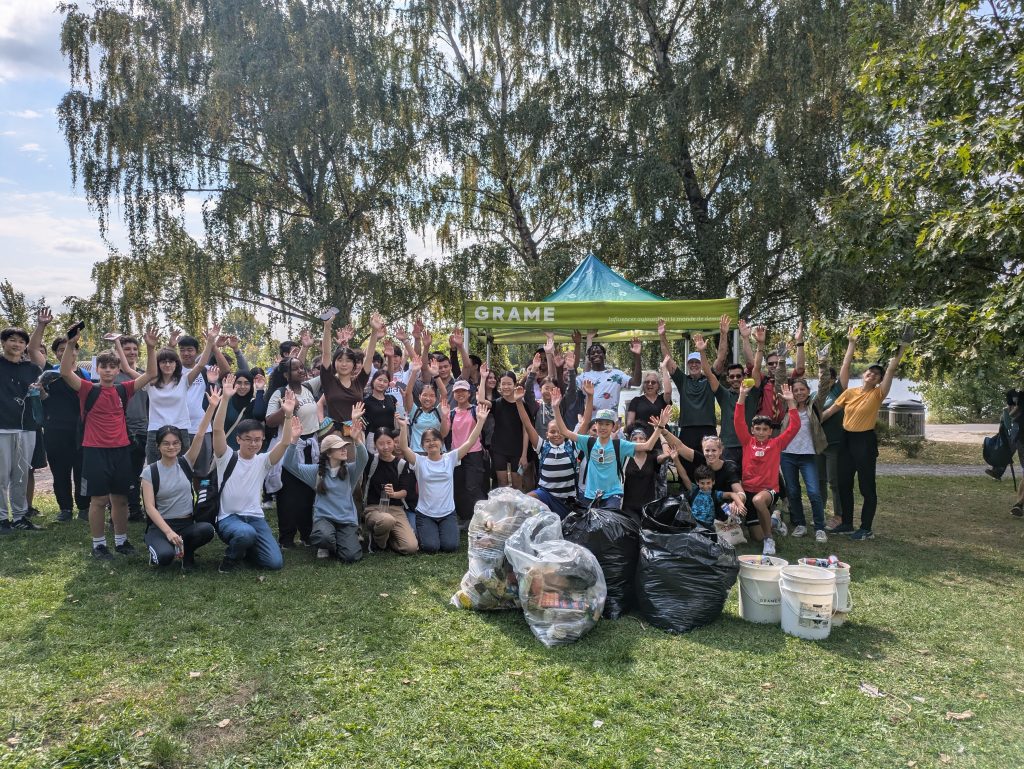
Help us make a difference!
Do you like our activities? Support GRAME’s mission! For all donations over $10, you’ll receive a tax receipt.