About GRAME
Serving the environment for over 30 years!
GRAME works to protect the environment with a long-term perspective and global issues in mind, including climate change. We focus our activities around three complementary pillars.
Direct
action
Our team works to help you reduce your ecological footprint, while also improving cleanliness and making your neighbourhood more beautiful and greener.
Education and awareness
We are committed to mobilizing tomorrow’s young leaders to take eco-responsible action.
Influence and recommendations
We propose environmental solutions for public policies and legislative and regulatory frameworks.
From 1989 to today, hover over the images to learn more about our key milestones.

1989
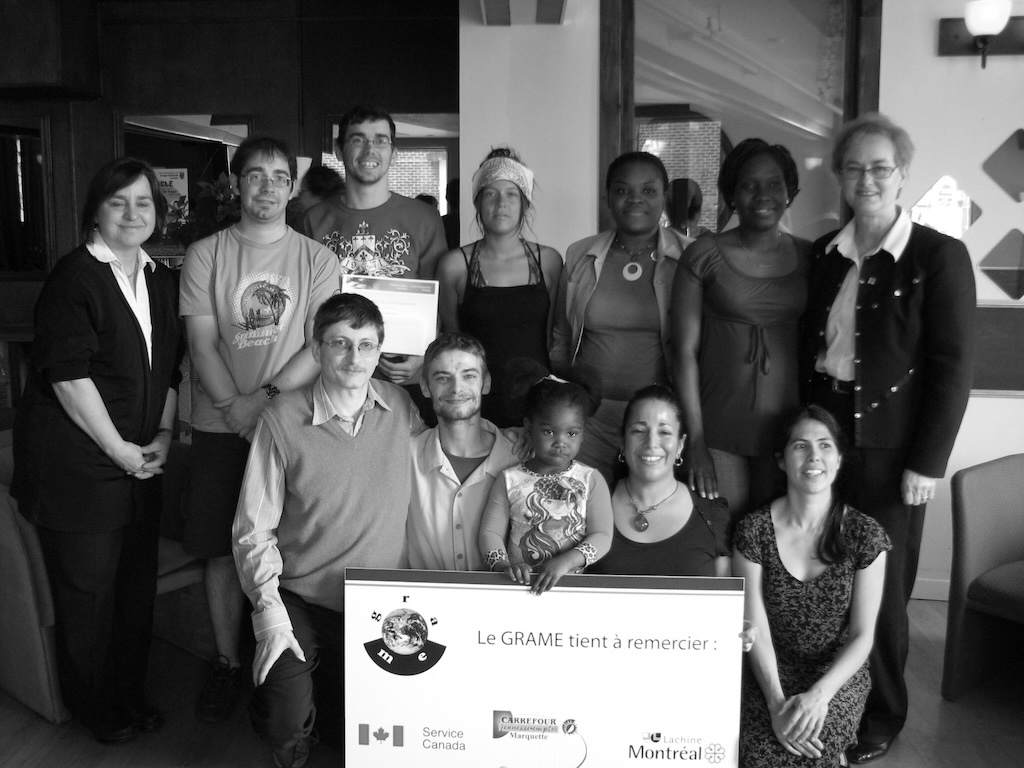
GRAME, the Groupe de recherche appliquée en macro-écologie, was founded by 5 students. The goal is to bring new ideas and solutions to major environmental challenges.

1993
First intervention at the Régie de l’énergie du Québec.
Since then, GRAME has been mandated by the government as the representative of environmental groups within the Canadian delegation for the implementation of the United Nations Framework Convention on Climate Change (UNFCCC).

1995
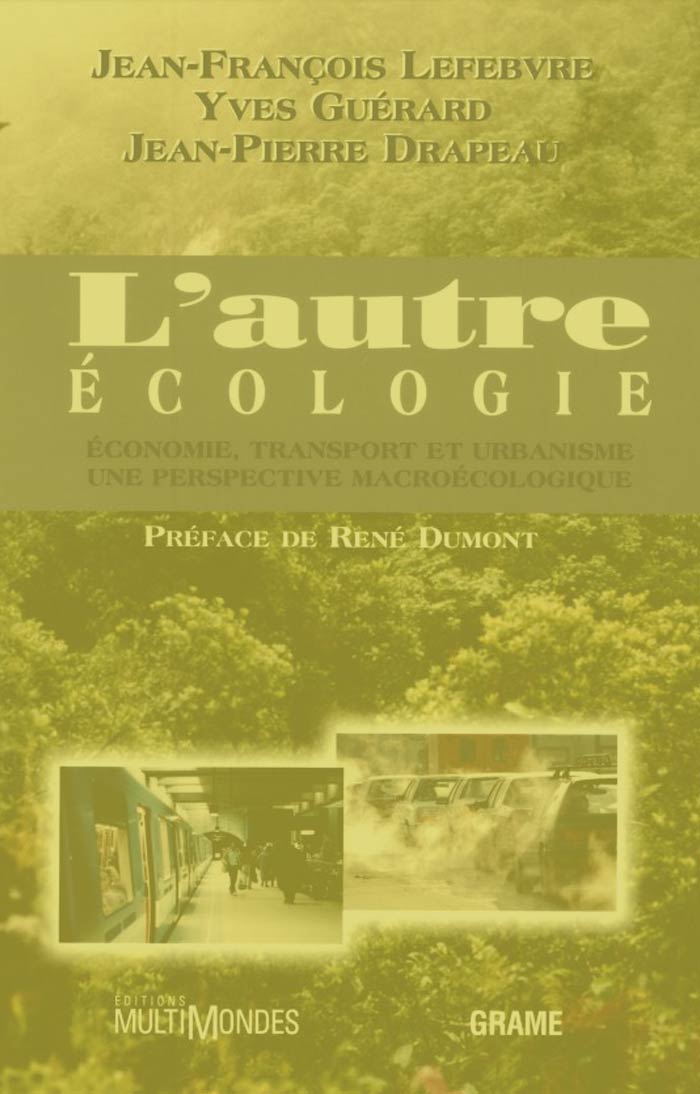
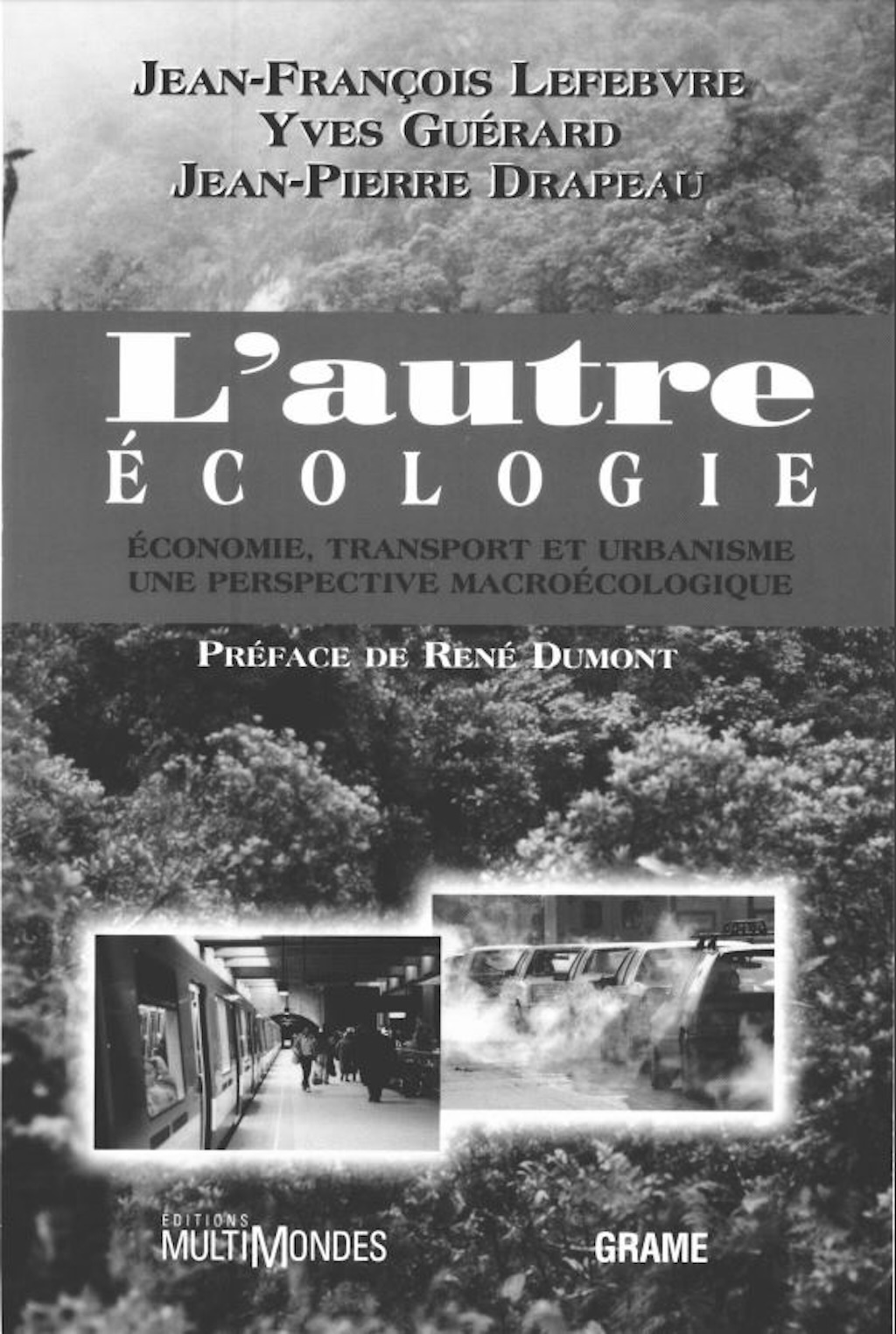
GRAME publishes the book "L’autre écologie", which addresses two themes: the need for an ecological tax reform and the issue of transportation and urban planning.

1996
Organization of the first ecofiscality conference in Quebec. To learn what ecofiscality is, click here!

1998
Participation in the federal process to implement the Kyoto Protocol.
GRAME’s offices are set up in Lachine. GRAME adds a community dimension to its mission by integrating actions at the local level.

2005
Launch of the ClimAction campaign, a series of conferences and support to reduce GHG emissions.

2006
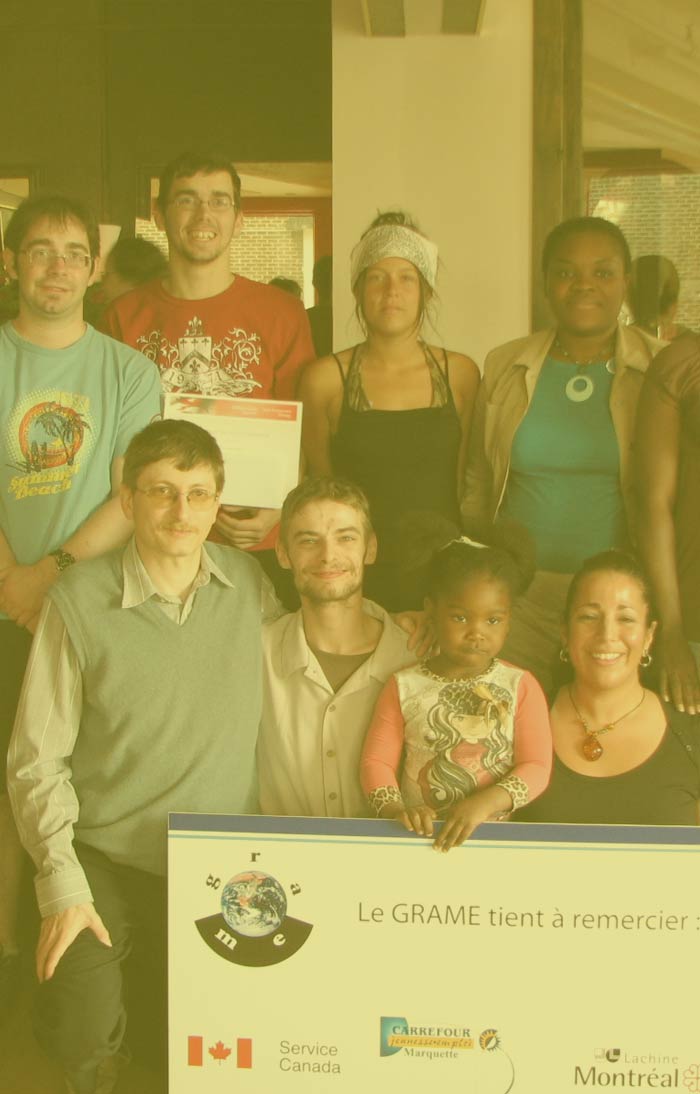
First ARIME cohort (Action Régionale d'Intervention en Milieu Environnemental). For several years, GRAME welcomed young adults with non-traditional backgrounds to form green brigades.

2006
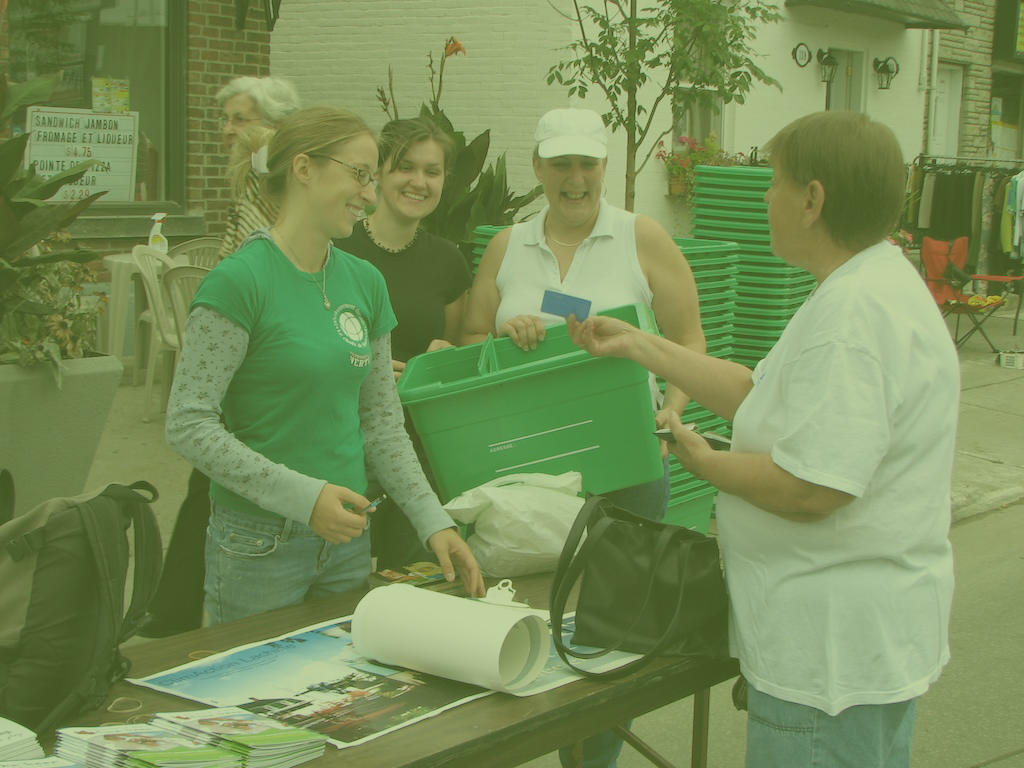
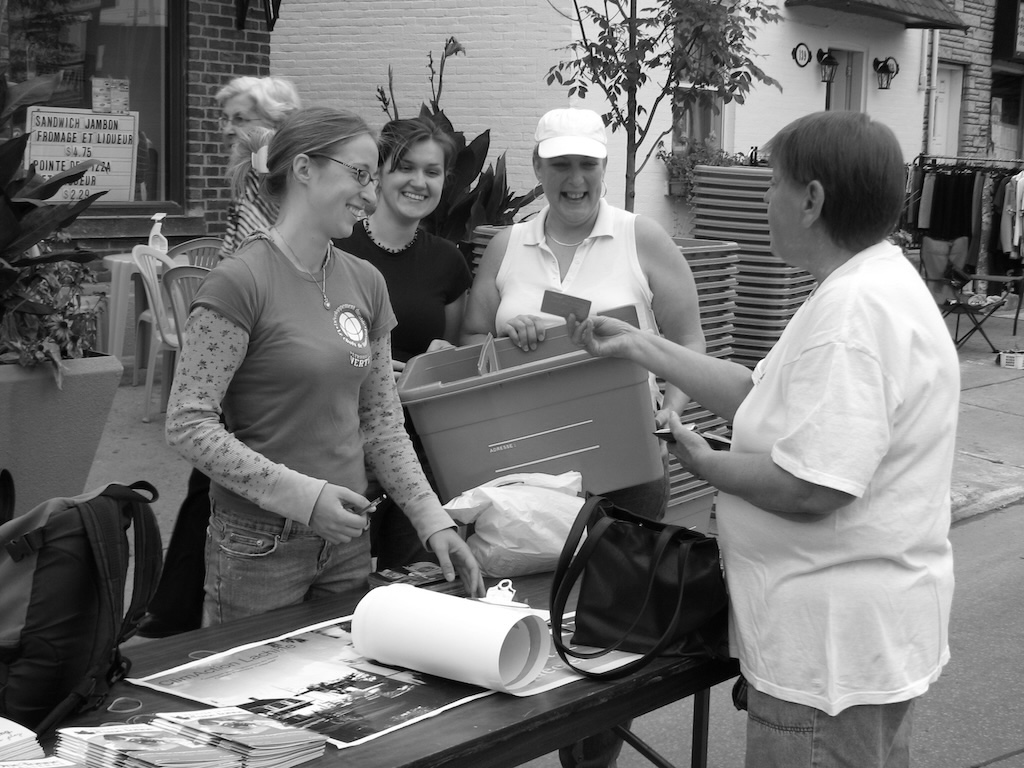
Roll-out of wheeled-bin recycling in Lachine. All buildings with 9 units or more now have recycling bins.

2007
Creation of the Ma COOP Efficace program. Implementation of energy-efficiency measures in more than 300 Quebec housing co-ops.

2008
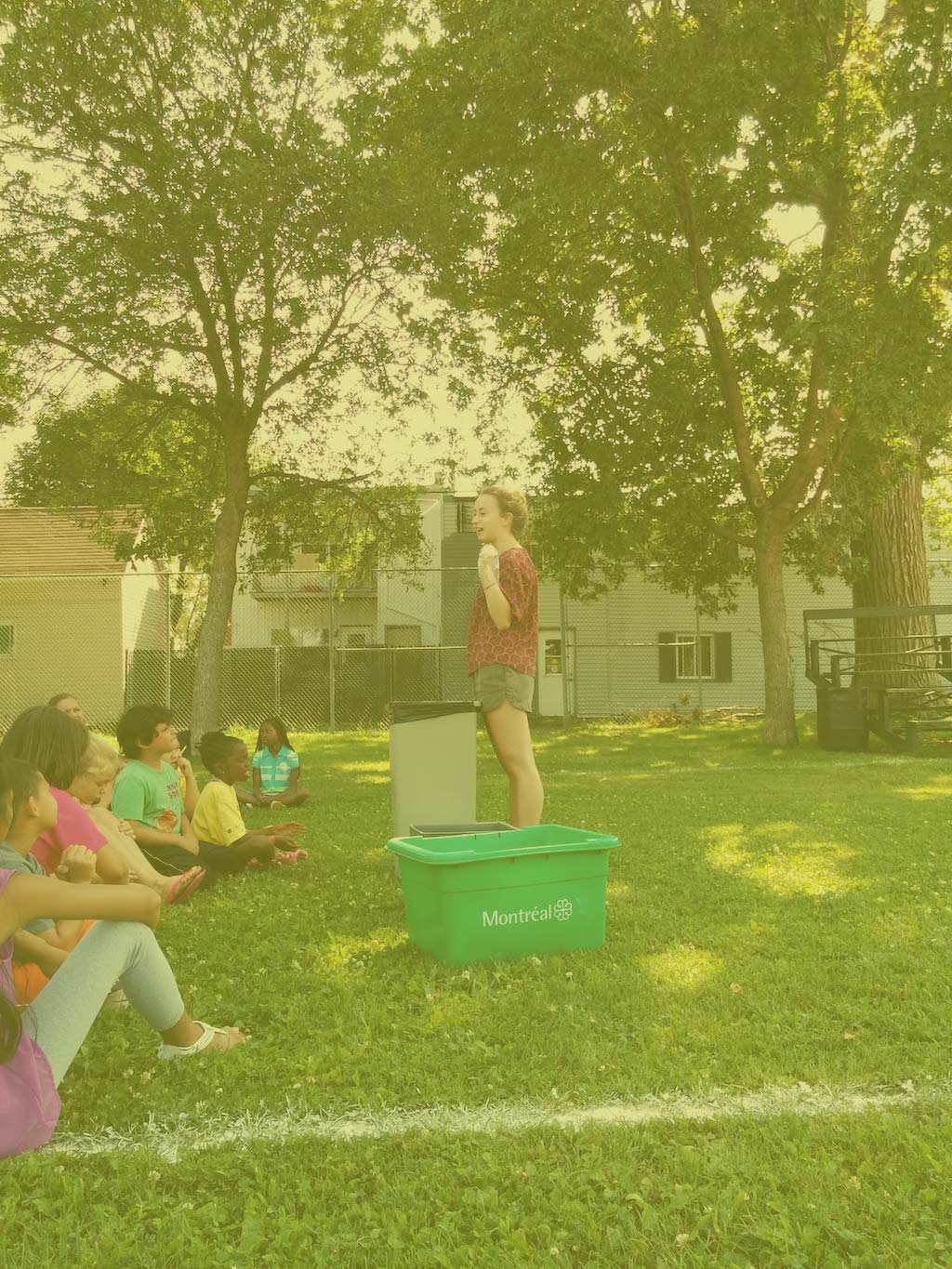
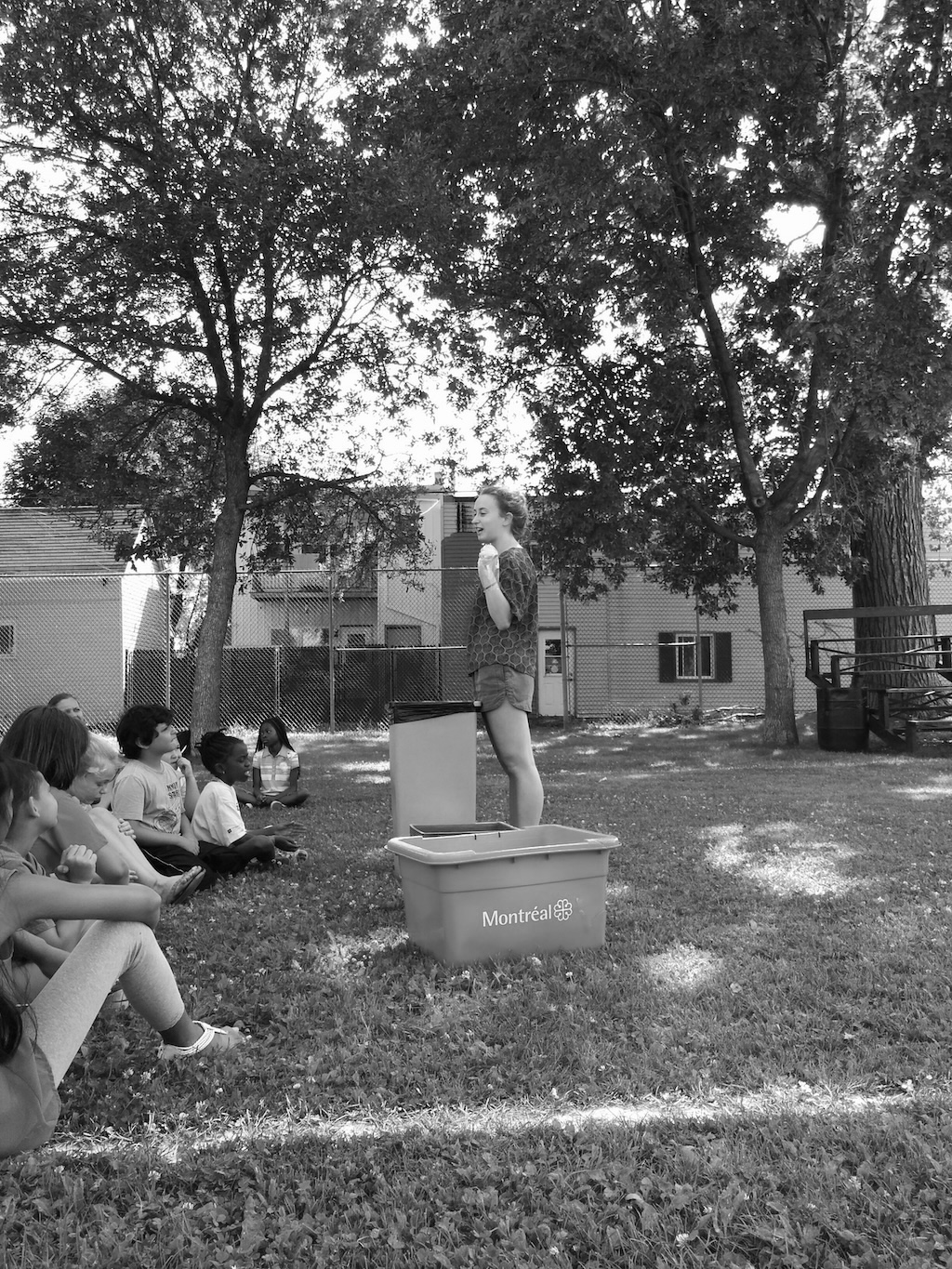
First zero-waste camp in Lachine. From 2008 to 2013, more than 1,500 children were made aware of proper residual materials management and other environmental issues.

2010
Secured a grant of nearly $1 million from the Fonds vert to fight urban heat islands.

2010
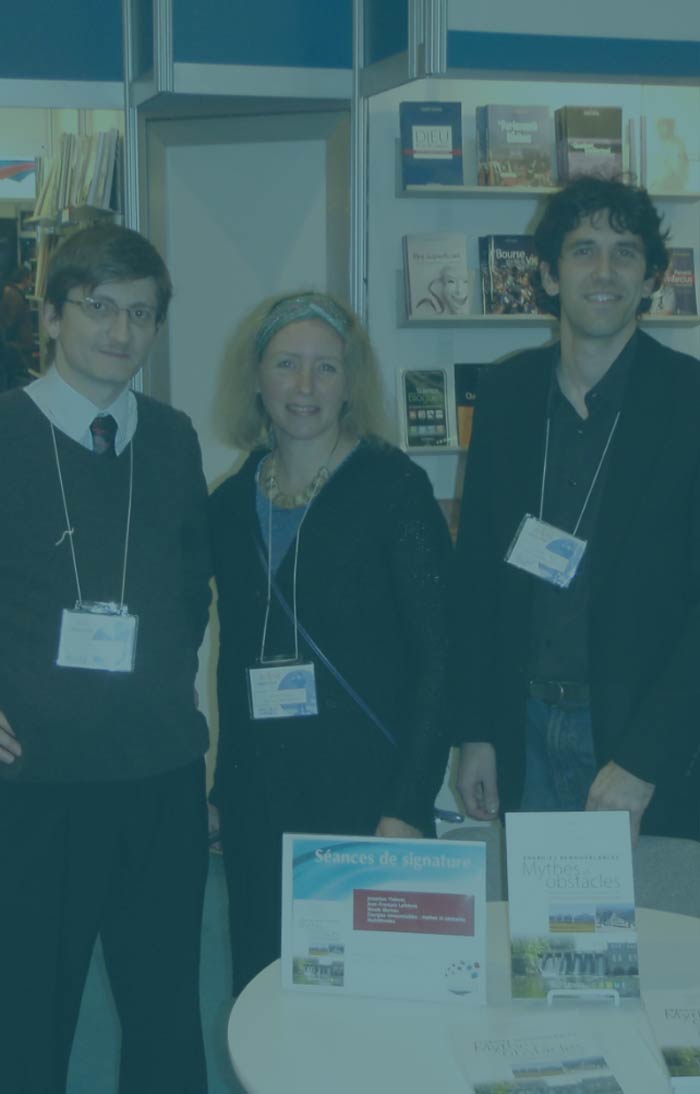
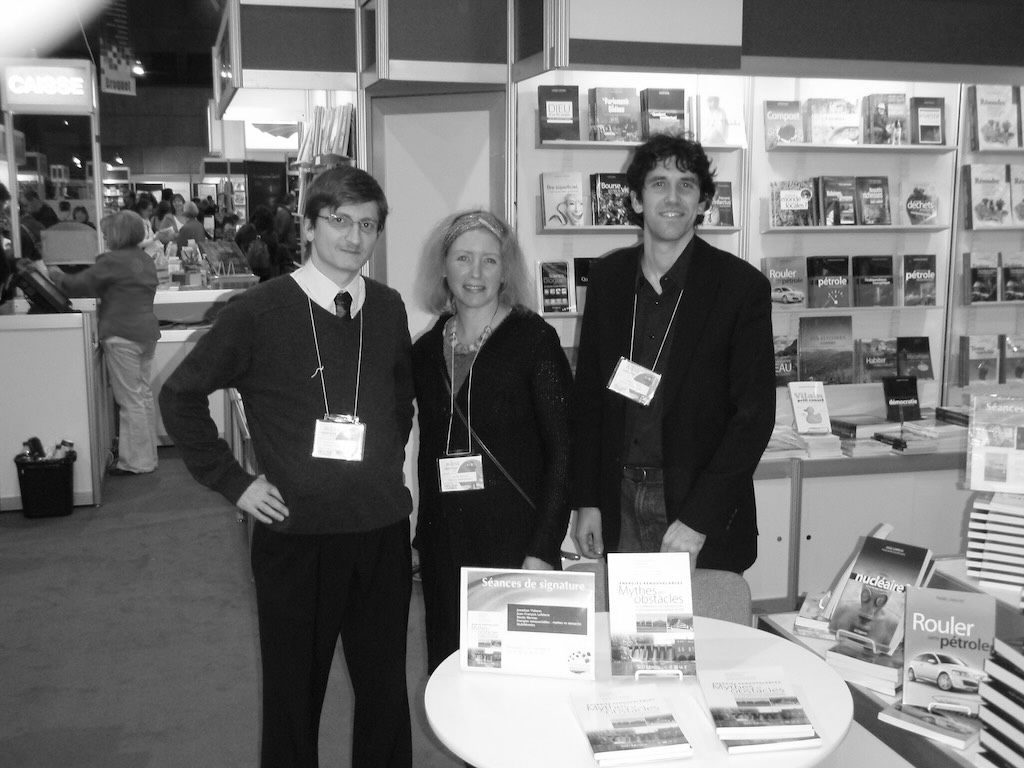
Publication of the book Renewable Energy: Myths and Obstacles, which explores the myths and obstacles to overcome for a sustainable energy transition.

2011
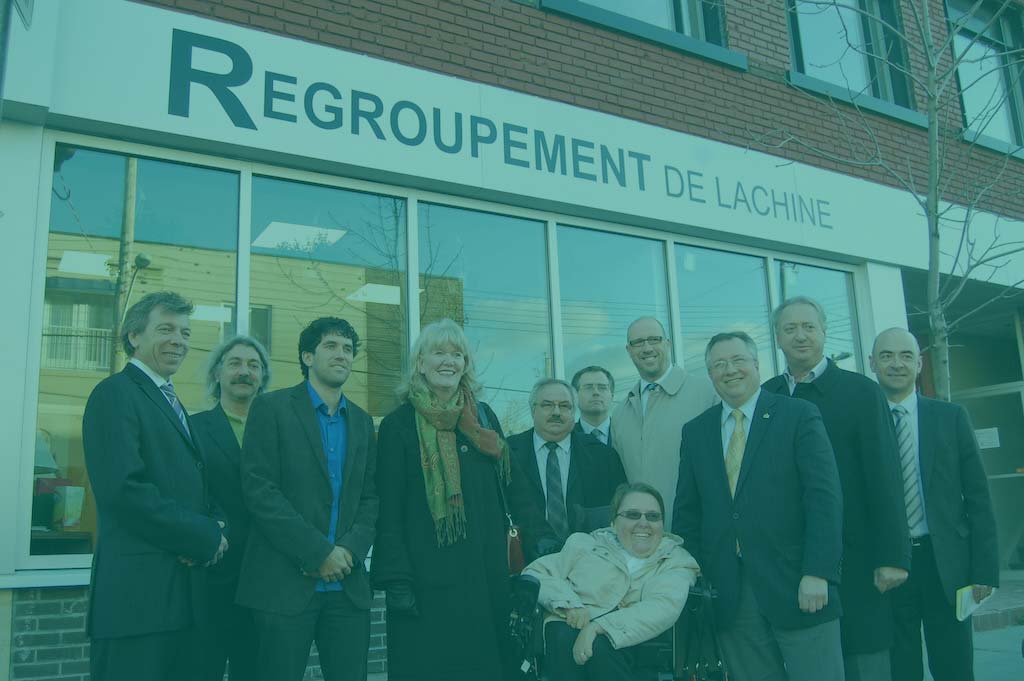
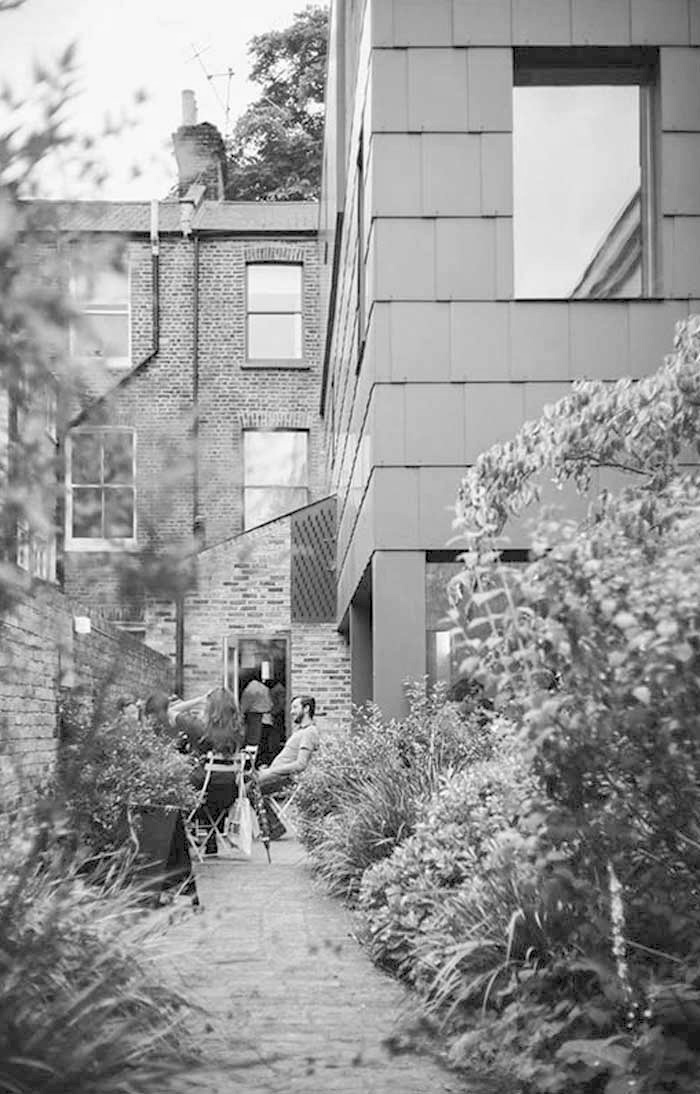
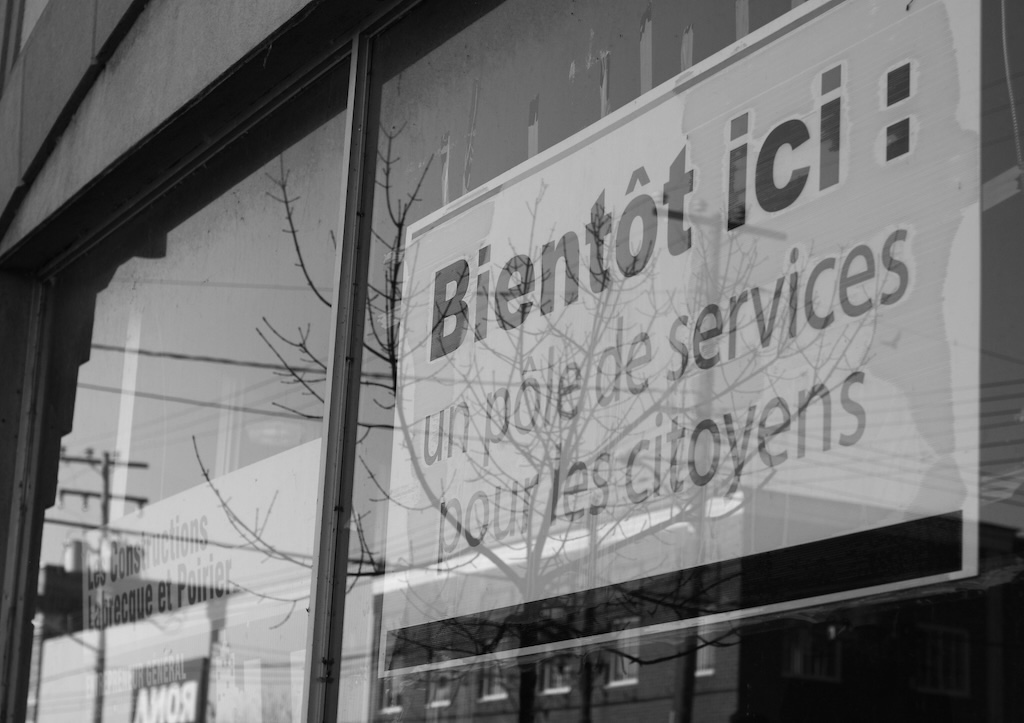
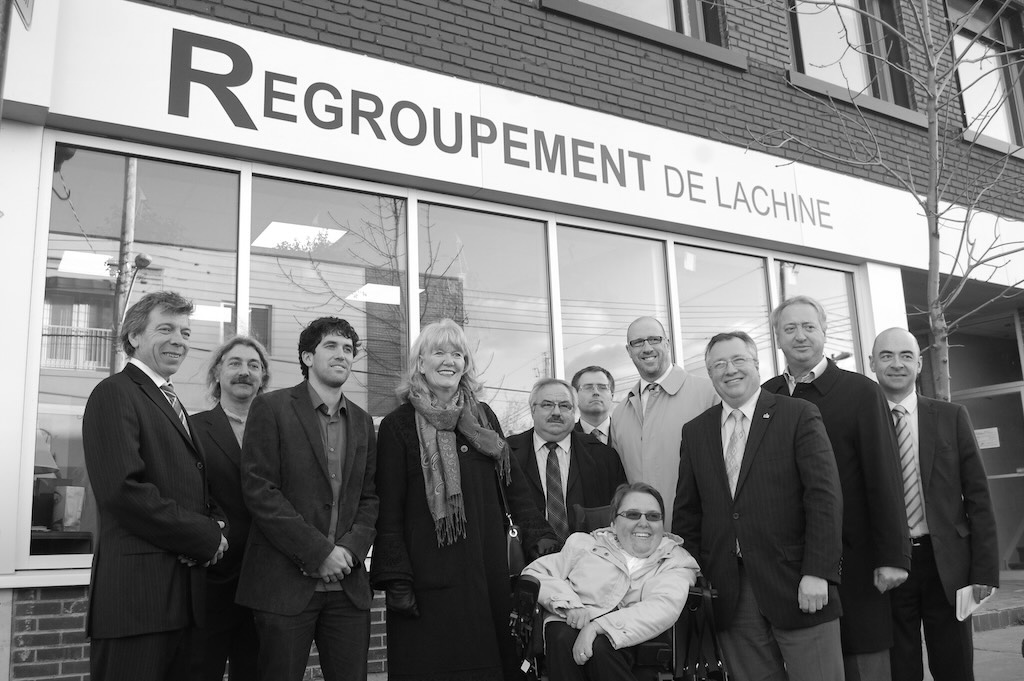
Co-founding and move into the eco-building of the Regroupement de Lachine in a former IGA. The idea is to bring different organizations together in one place to better serve the community and have a stronger impact.

2011
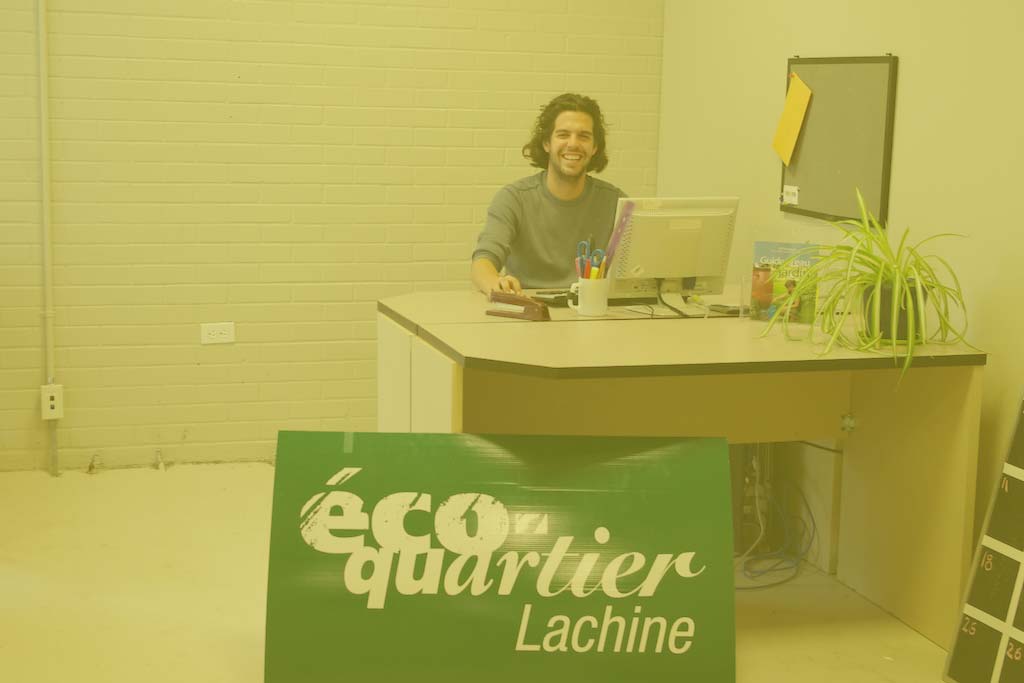
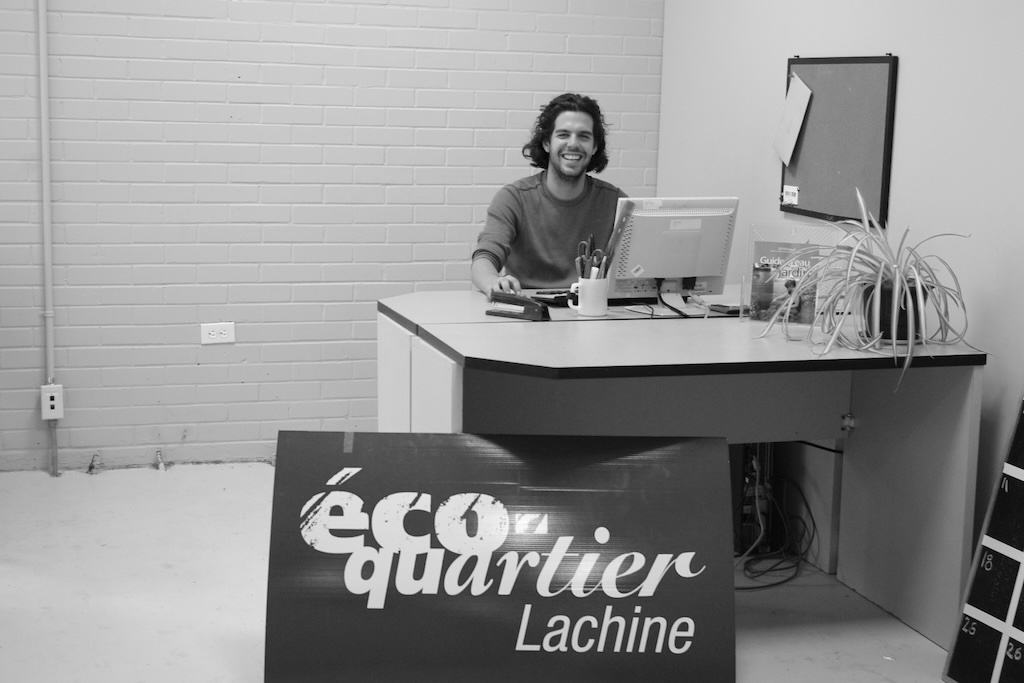
GRAME’s first mandate to manage the Éco-quartier Lachine.

2012
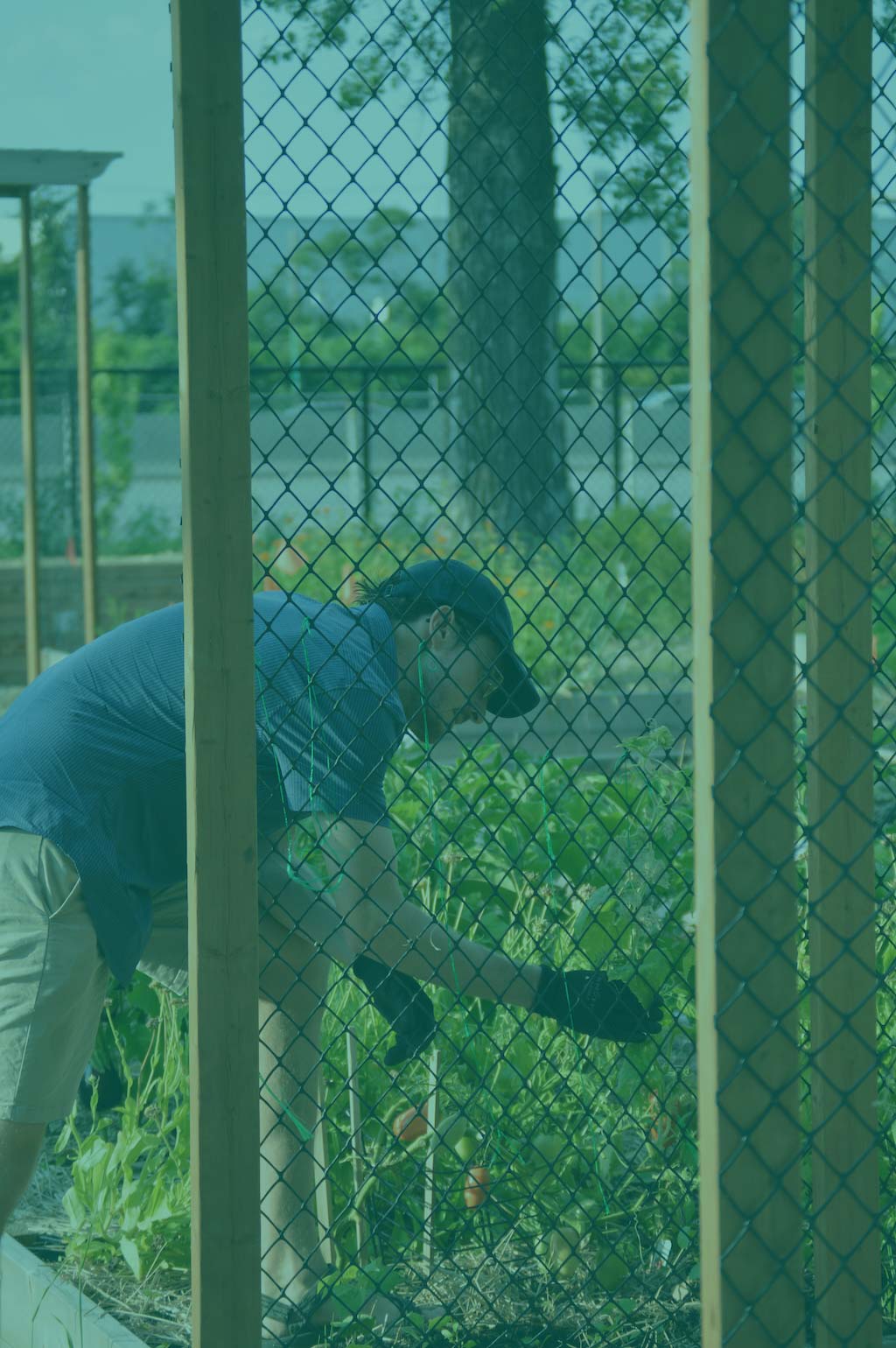
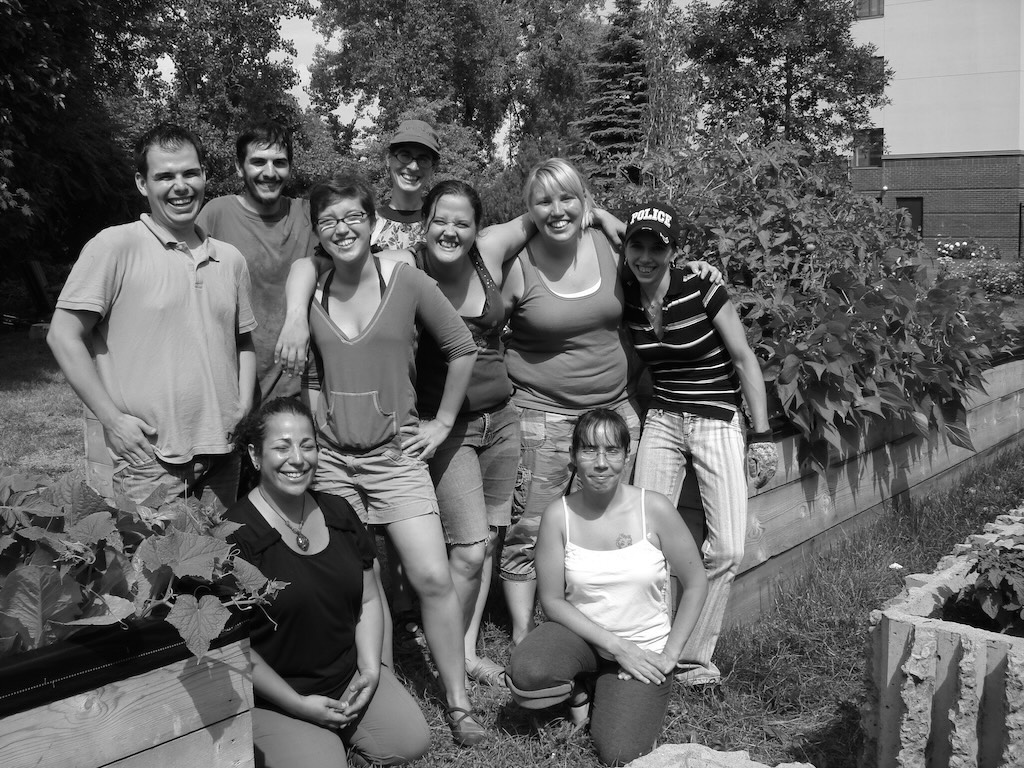
GRAME becomes the lead organization for Lachine’s community gardens. These gardens are shared spaces where people can garden together, connect, and take home harvests. To learn more about community gardens and their many benefits, visit our page on the topic.

2013
Creation of one of GRAME’s flagship greening programs: ICI, on verdit! This campaign offers a turnkey planting service for industries, businesses and institutions (ICI).

2013
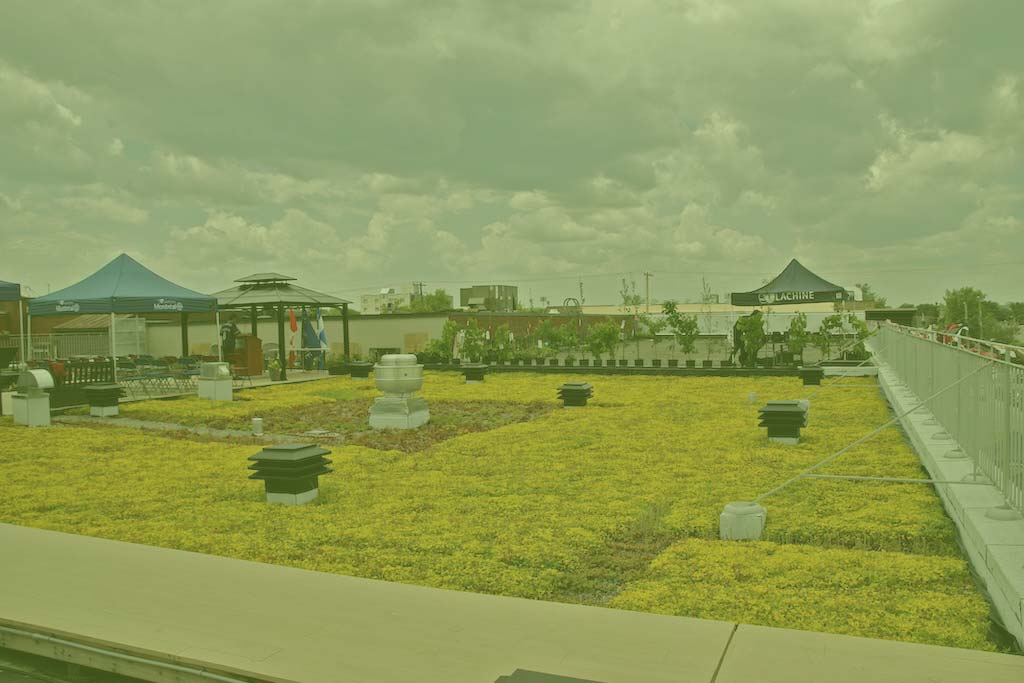
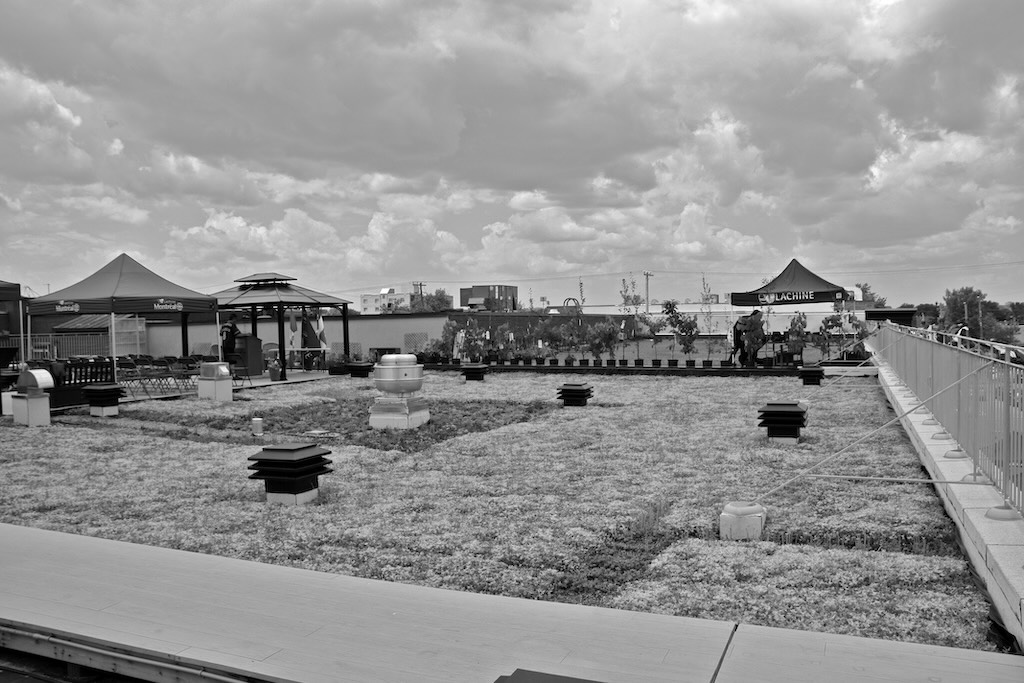
Development of one of the largest green roofs in the Greater Montréal area. To support the goal of a more eco-responsible building, this roof was built and brought various benefits such as increased biodiversity, water retention, and reduced heat-island effect.

2014
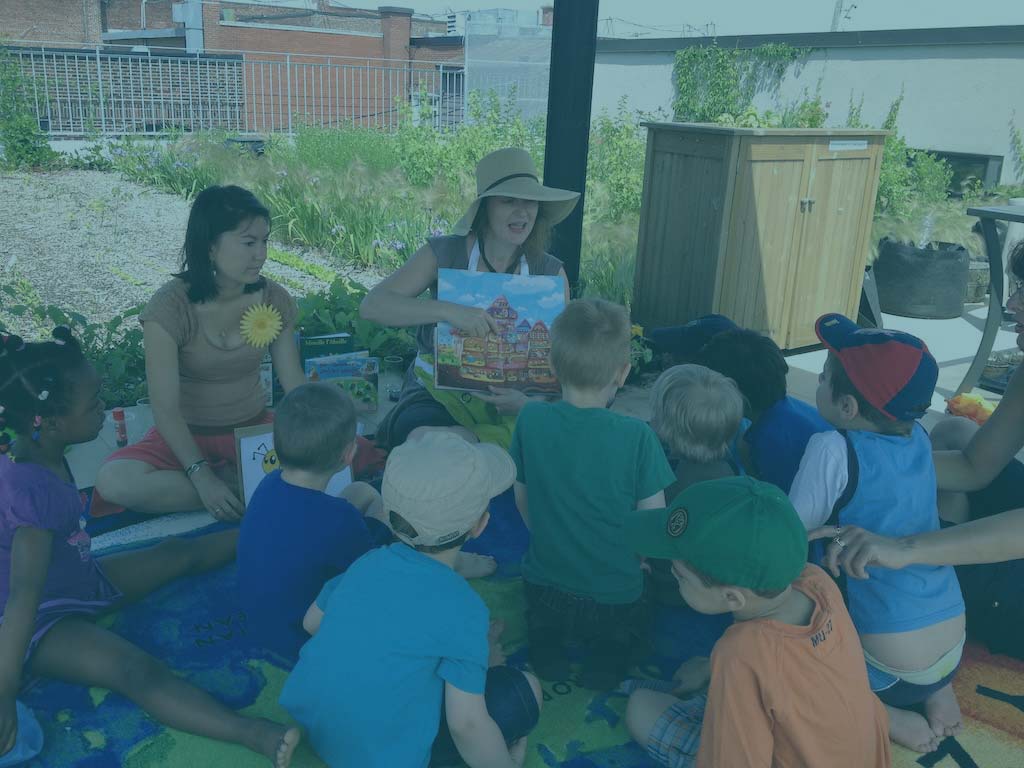
A reading and environmental awareness program is born: Lecteurs en herbe. Through it, workshops help young children discover the world of reading while learning about the environment around them.

2015
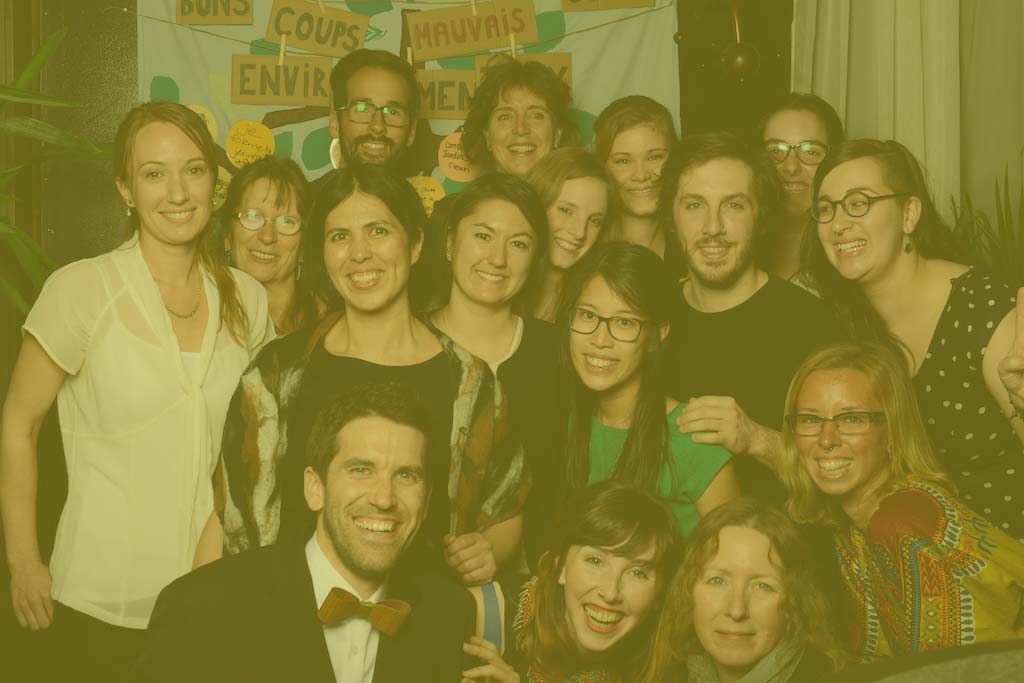
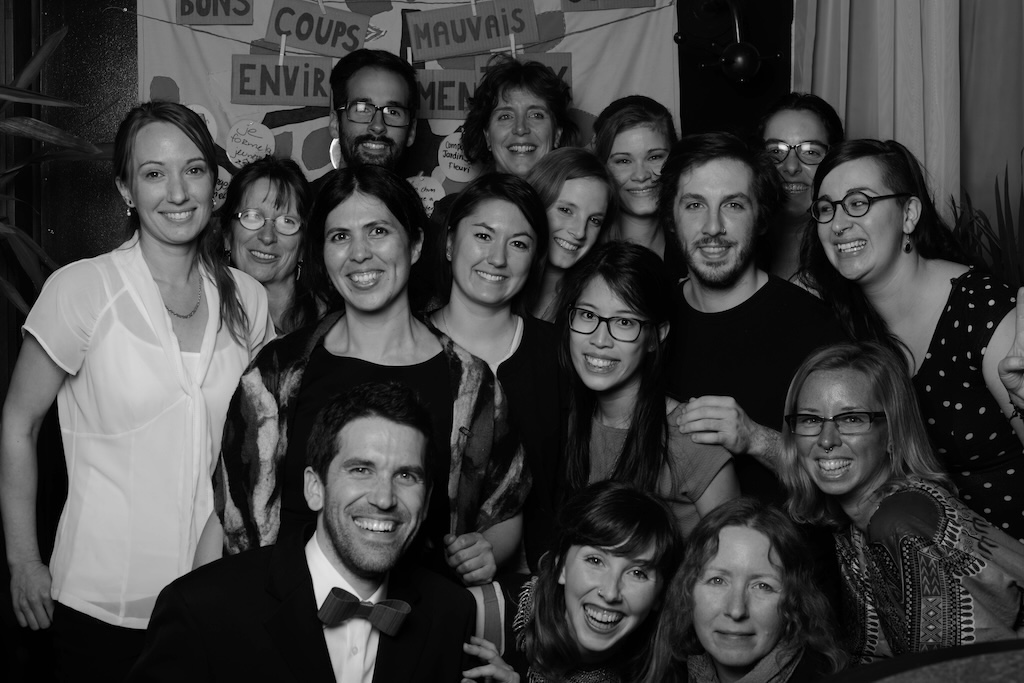
First edition of the GRAMiE’s Environment Gala, an evening aimed at raising funds while also recognizing environmental initiatives in Montréal.

2019
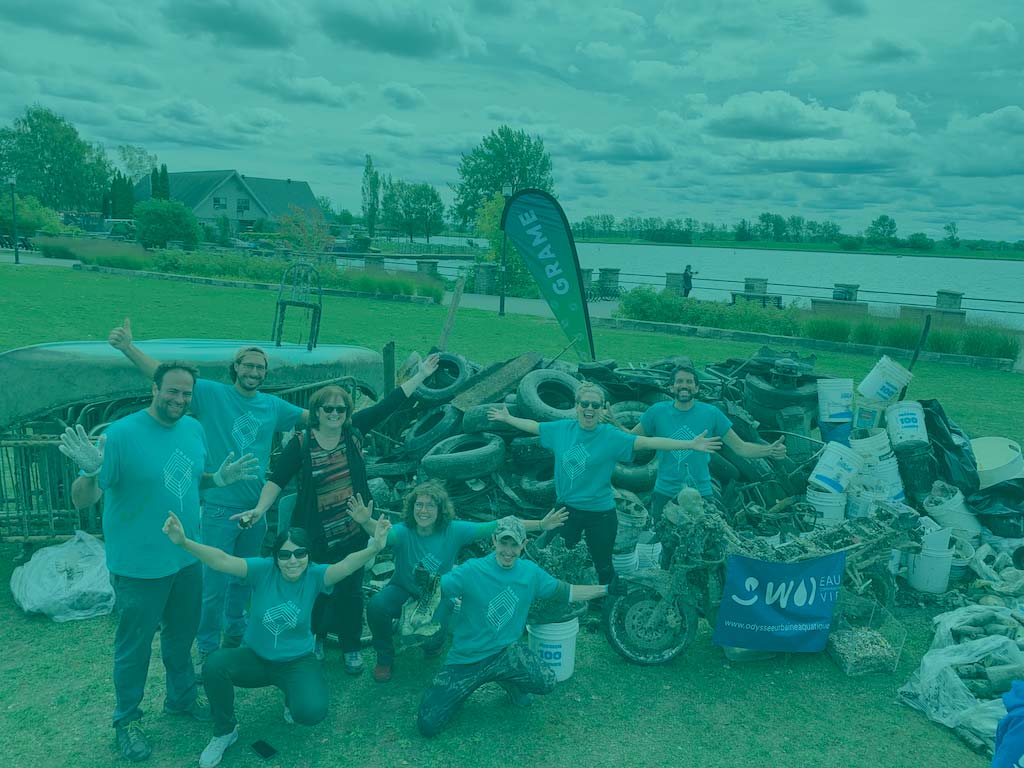
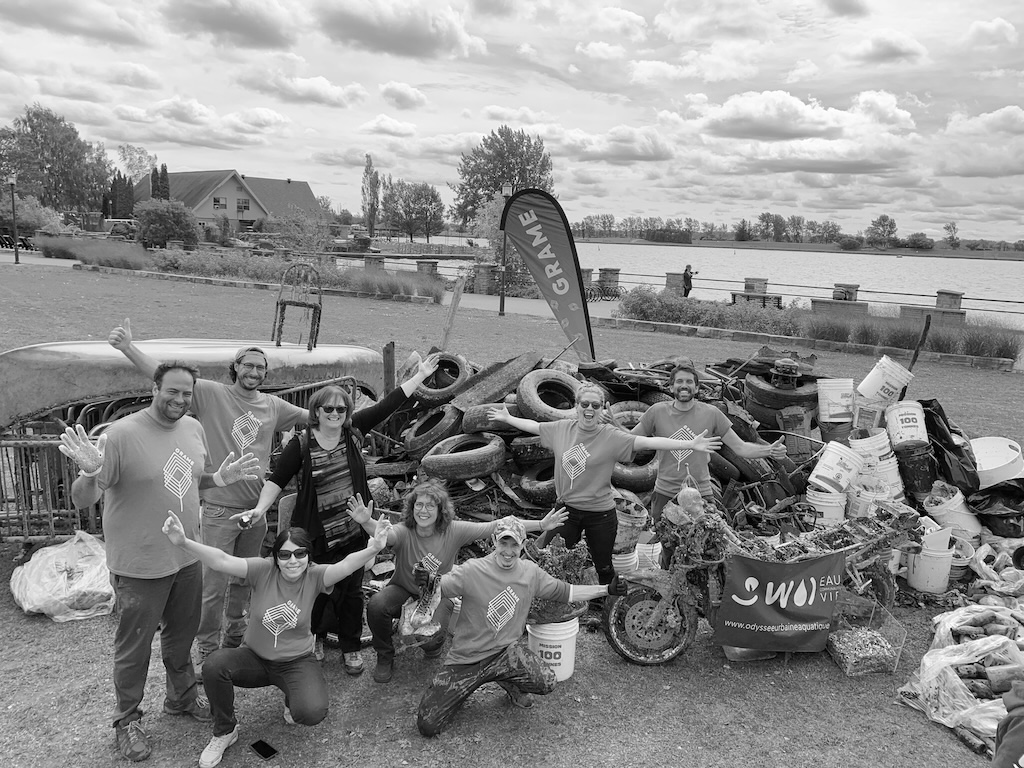
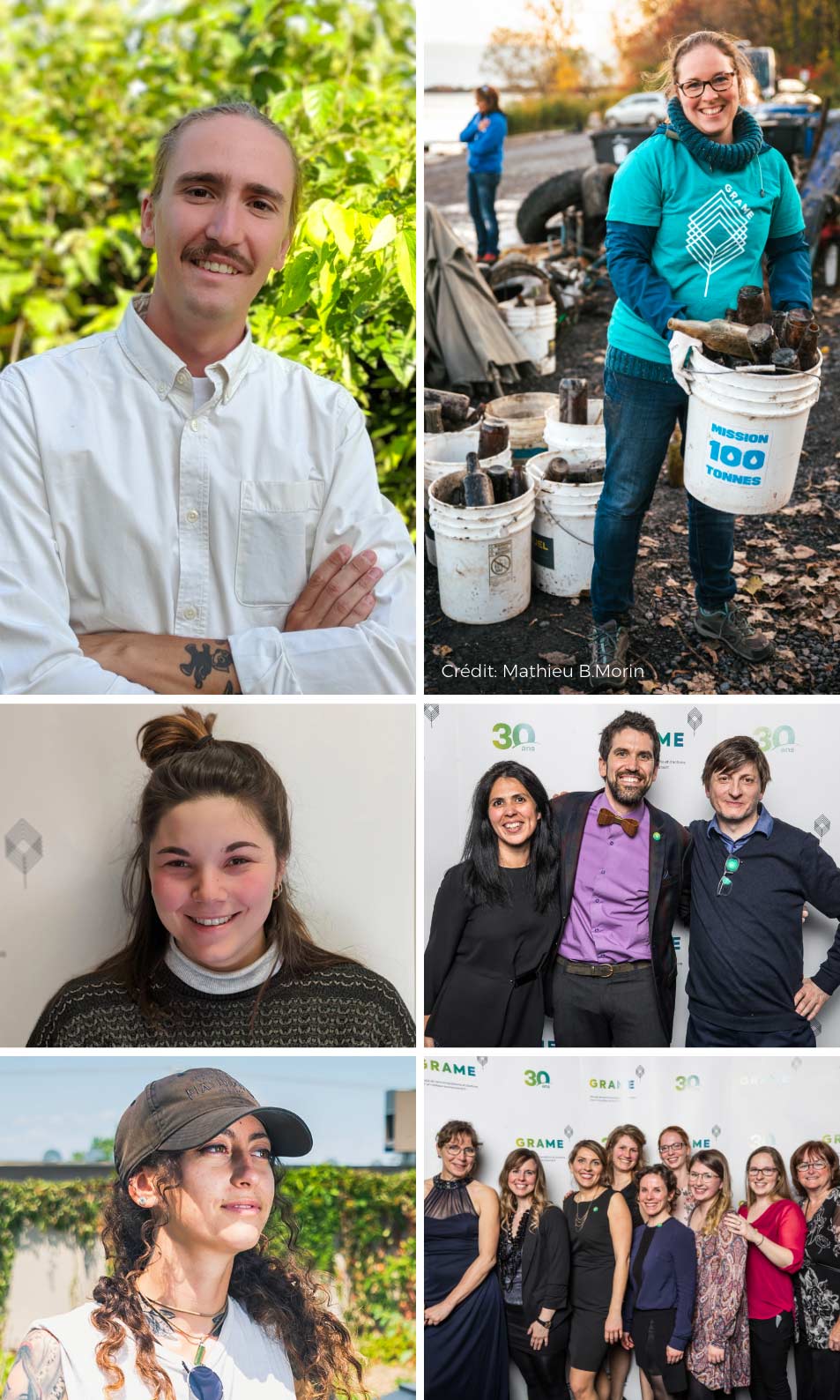
A 24-hour cleanup operation is organized in Lachine in collaboration with diver Nathalie Lasselin and Mission 100 tonnes, as part of the Opération nettoyage 360o project. Over 24 consecutive hours, more than 200 volunteers and divers collected 4,129 kilos of waste along Lachine’s shoreline and in the river!

2019
On the occasion of its 30th anniversary, GRAME changes its name and logo: Groupe de recommandations et d’action pour un meilleur environnement.

2019
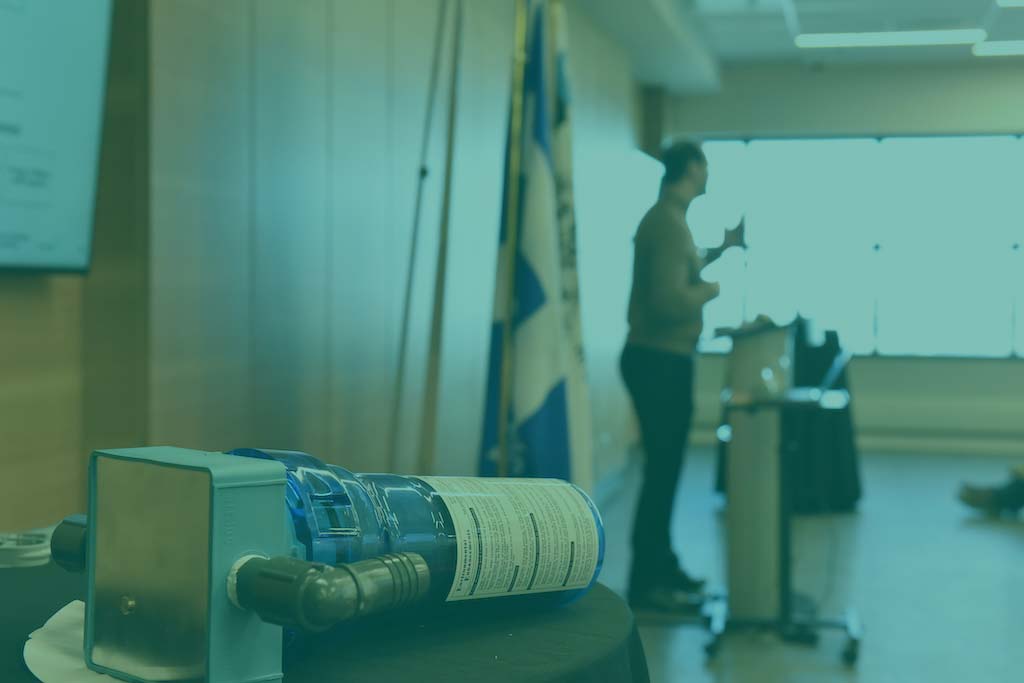
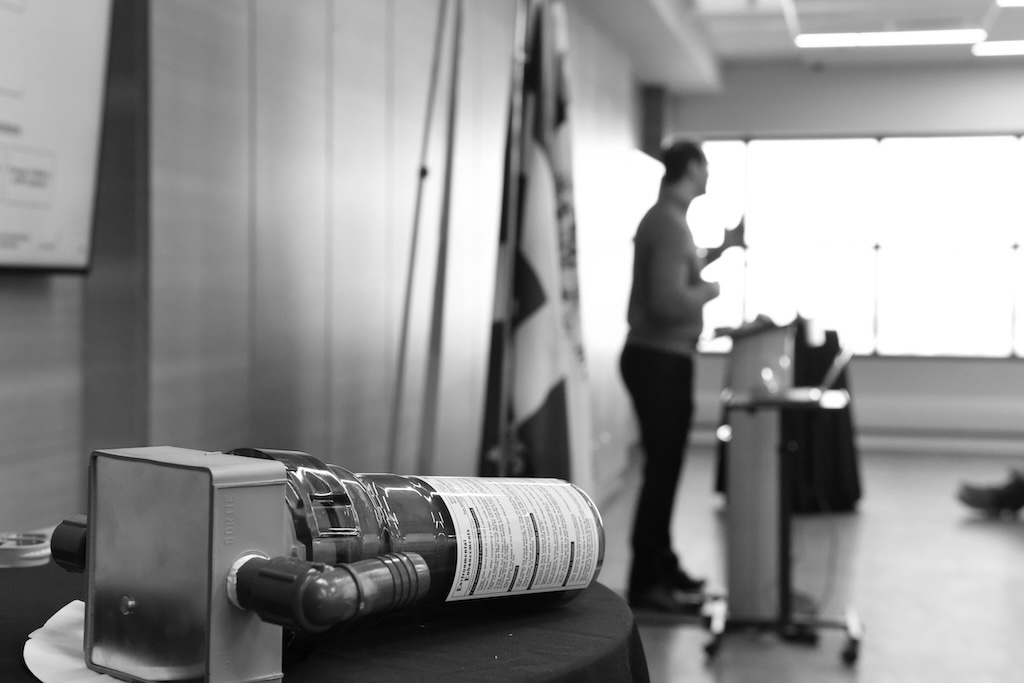
GRAME launches the Pour un fleuve plus propre program. As part of a citizen science project, microfiber filters for washing machines are provided to 30 residents. To see the results of this project, click here!
(photo credit: Denis Bernier)

2021
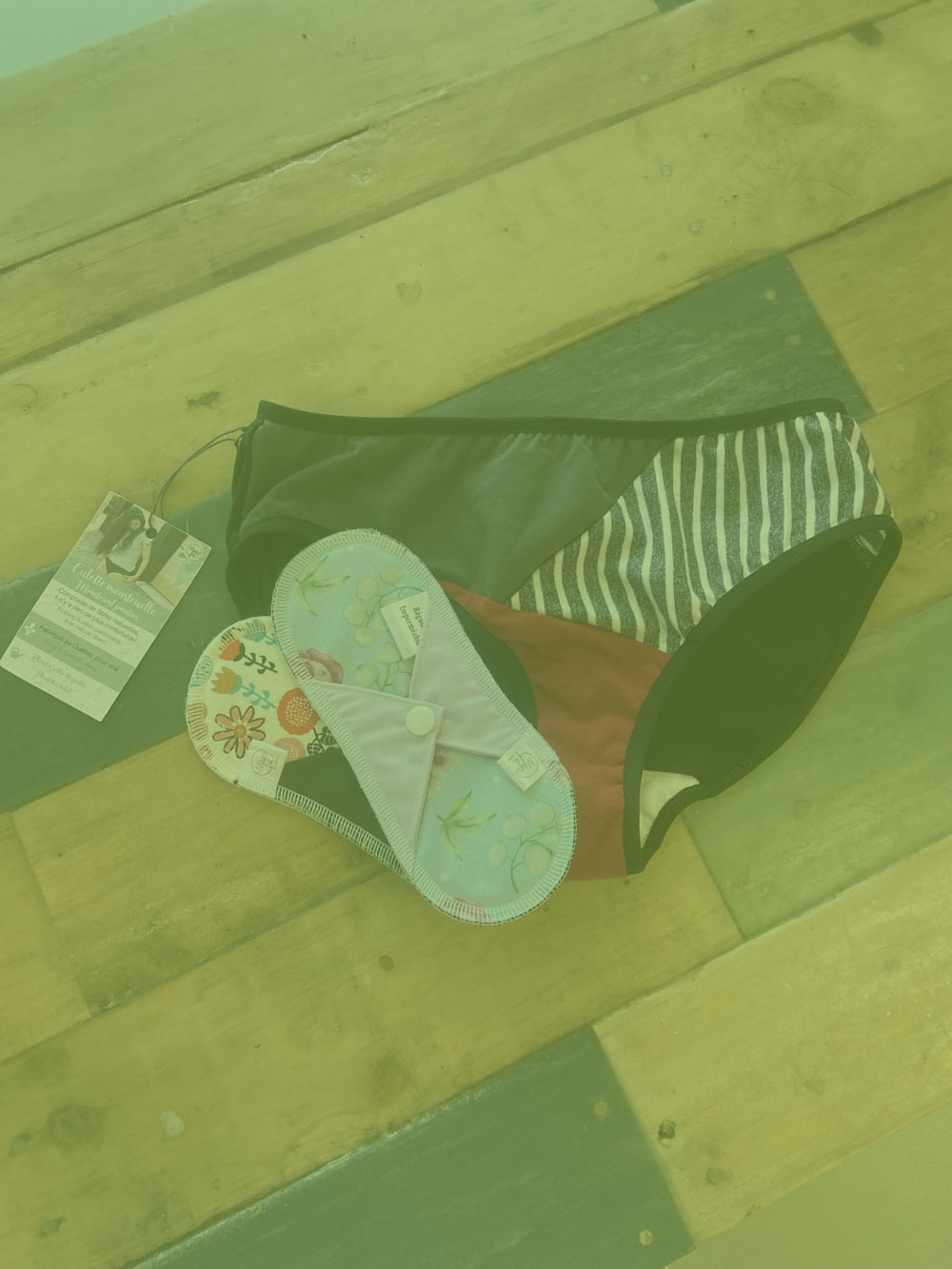
Building on the Pour un fleuve plus propre project, GRAME sets up a grant and advisory program for municipalities to reduce the purchase cost of reusable menstrual products.

2021
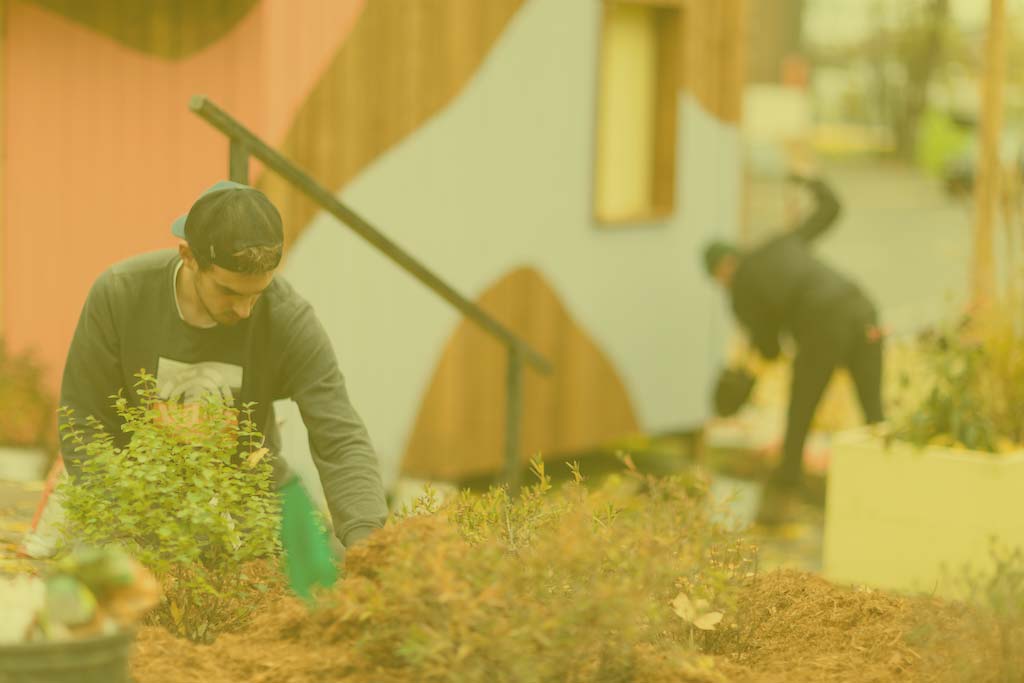
Launch of the VIVRE project (Inclusive, Green, Resilient and Equitable City). This initiative aims for participatory greening in disadvantaged areas to reduce the effects of heat islands.

2021
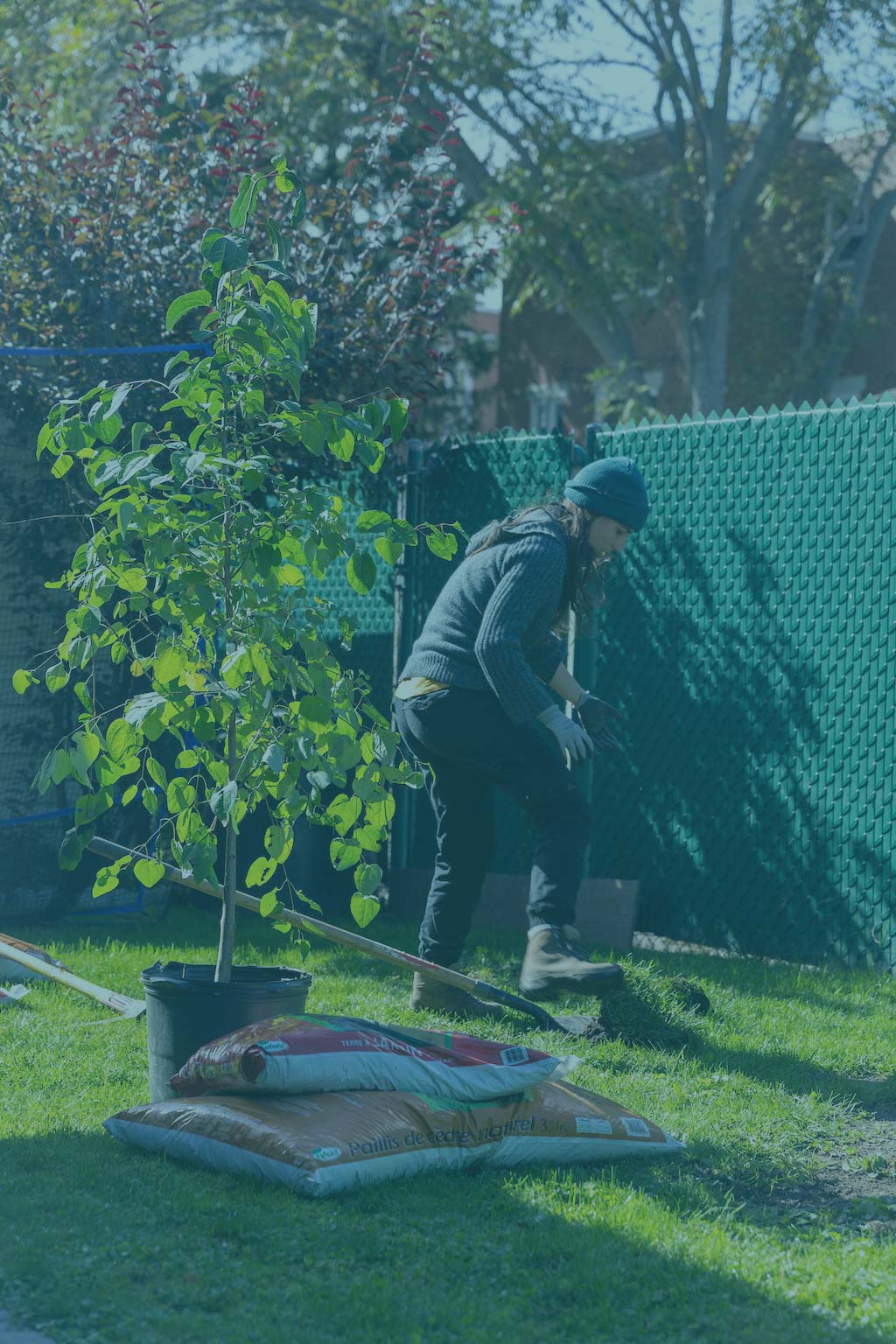
Launch of the Ensemble on verdit campaign to replace trees cut down on residential properties.

2022
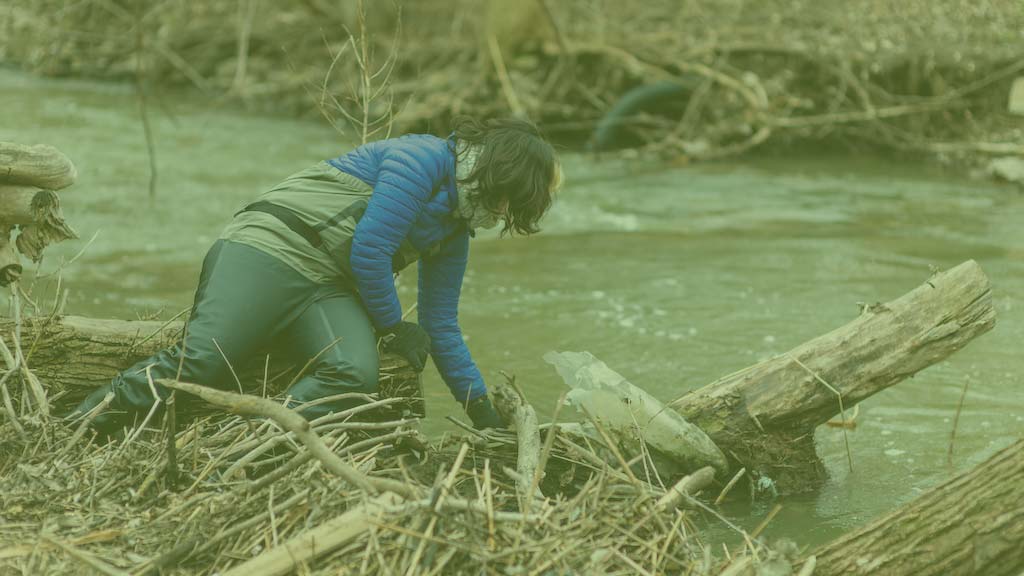
Aiming to improve the health of waterways in the West Island, the Allô Ruisseau project is launched. Cleanup operations to collect waste, as well as plantings, are organized along Montréal’s stream banks.

2023
Statement by the City of Montréal on water protection following our citizen science project on microfibres from synthetic textiles with Polytechnique Montréal. To learn more about the project, watch the video produced by RECYC-QUÉBEC!

2023
Opening of Coin Tournant, the first community space dedicated to the socio-ecological transition in Lachine.

2023
First edition of the Défi Fleuri, an initiative encouraging residents to brighten their spaces with pollinator-friendly and native plants.

2024
GRAME is awarded the mandate for the Éco-quartier Sud-Ouest, expanding its scope of action!
Development and opening of the Royal Dixie community garden in Dorval. Weekly gardening, as well as themed workshops and events to celebrate the garden’s progress and harvests, are held there.

1989
GRAME, the Groupe de recherche appliquée en macro-écologie, was founded by 5 students. The goal is to bring new ideas and solutions to major environmental challenges.

1993
First intervention at the Régie de l’énergie du Québec.
Since then, GRAME has been mandated by the government as the representative of environmental groups within the Canadian delegation for the implementation of the United Nations Framework Convention on Climate Change (UNFCCC).

1995
GRAME publishes the book "L’autre écologie", which addresses two themes: the need for an ecological tax reform and the issue of transportation and urban planning.

1996
Organization of the first ecofiscality conference in Quebec. To learn what ecofiscality is, click here!

1998
Participation in the federal process to implement the Kyoto Protocol.
GRAME’s offices are set up in Lachine. GRAME adds a community dimension to its mission by integrating actions at the local level.

2005
Launch of the ClimAction campaign, a series of conferences and support to reduce GHG emissions.

2006
First ARIME cohort (Action Régionale d'Intervention en Milieu Environnemental). For several years, GRAME welcomed young adults with non-traditional backgrounds to form green brigades.

2006
Roll-out of wheeled-bin recycling in Lachine. All buildings with 9 units or more now have recycling bins.

2007
Creation of the Ma COOP Efficace program. Implementation of energy-efficiency measures in more than 300 Quebec housing co-ops.

2008
First zero-waste camp in Lachine. From 2008 to 2013, more than 1,500 children were made aware of proper residual materials management and other environmental issues.

2010
Secured a grant of nearly $1 million from the Fonds vert to fight urban heat islands.

2010
Publication of the book Renewable Energy: Myths and Obstacles, which explores the myths and obstacles to overcome for a sustainable energy transition.

2011
Co-founding and move into the eco-building of the Regroupement de Lachine in a former IGA. The idea is to bring different organizations together in one place to better serve the community and have a stronger impact.

2011
GRAME’s first mandate to manage the Éco-quartier Lachine.

2012
GRAME becomes the lead organization for Lachine’s community gardens. These gardens are shared spaces where people can garden together, connect, and take home harvests. To learn more about community gardens and their many benefits, visit our page on the topic.

2013
Creation of one of GRAME’s flagship greening programs: ICI, on verdit! This campaign offers a turnkey planting service for industries, businesses and institutions (ICI).

2013
Development of one of the largest green roofs in the Greater Montréal area. To support the goal of a more eco-responsible building, this roof was built and brought various benefits such as increased biodiversity, water retention, and reduced heat-island effect.

2014
A reading and environmental awareness program is born: Lecteurs en herbe. Through it, workshops help young children discover the world of reading while learning about the environment around them.

2015
First edition of the GRAMiE’s Environment Gala, an evening aimed at raising funds while also recognizing environmental initiatives in Montréal.

2019
A 24-hour cleanup operation is organized in Lachine in collaboration with diver Nathalie Lasselin and Mission 100 tonnes, as part of the Opération nettoyage 360o project. Over 24 consecutive hours, more than 200 volunteers and divers collected 4,129 kilos of waste along Lachine’s shoreline and in the river!

2019
On the occasion of its 30th anniversary, GRAME changes its name and logo: Groupe de recommandations et d’action pour un meilleur environnement.

2019
GRAME launches the Pour un fleuve plus propre program. As part of a citizen science project, microfiber filters for washing machines are provided to 30 residents. To see the results of this project, click here!
(photo credit: Denis Bernier)

2021
Building on the Pour un fleuve plus propre project, GRAME sets up a grant and advisory program for municipalities to reduce the purchase cost of reusable menstrual products.

2021
Launch of the VIVRE project (Inclusive, Green, Resilient and Equitable City). This initiative aims for participatory greening in disadvantaged areas to reduce the effects of heat islands.

2021
Launch of the Ensemble on verdit campaign to replace trees cut down on residential properties.

2022
Aiming to improve the health of waterways in the West Island, the Allô Ruisseau project is launched. Cleanup operations to collect waste, as well as plantings, are organized along Montréal’s stream banks.

2023
Statement by the City of Montréal on water protection following our citizen science project on microfibres from synthetic textiles with Polytechnique Montréal. To learn more about the project, watch the video produced by RECYC-QUÉBEC!

2023
Opening of Coin Tournant, the first community space dedicated to the socio-ecological transition in Lachine.

2023
First edition of the Défi Fleuri, an initiative encouraging residents to brighten their spaces with pollinator-friendly and native plants.

2024
GRAME is awarded the mandate for the Éco-quartier Sud-Ouest, expanding its scope of action!
Development and opening of the Royal Dixie community garden in Dorval. Weekly gardening, as well as themed workshops and events to celebrate the garden’s progress and harvests, are held there.
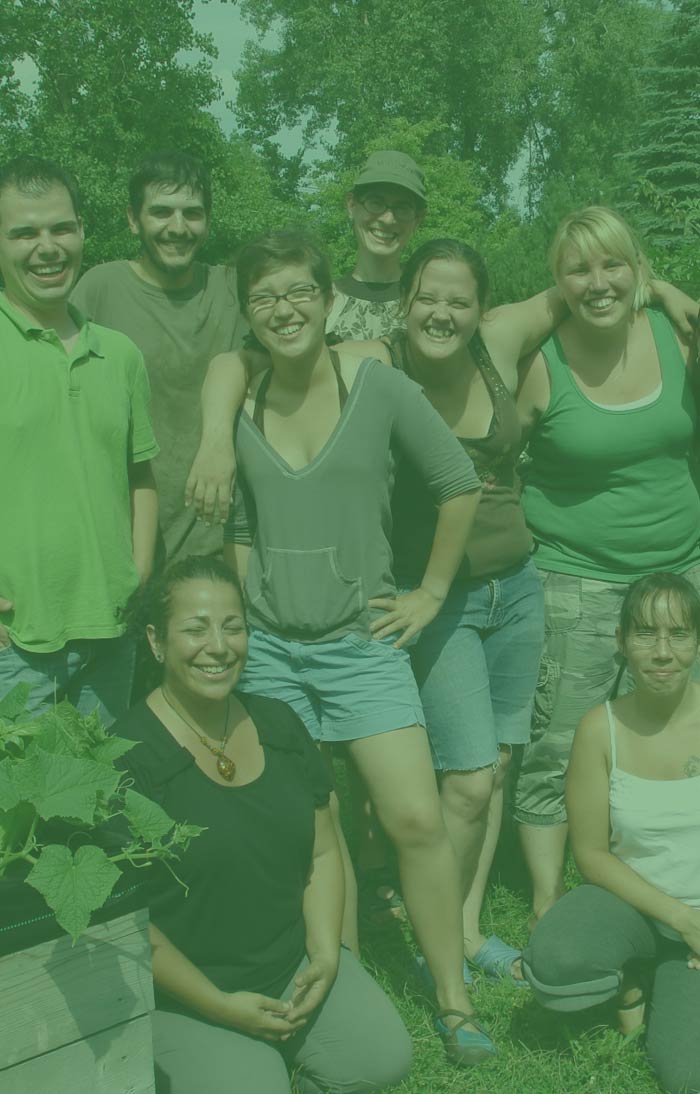
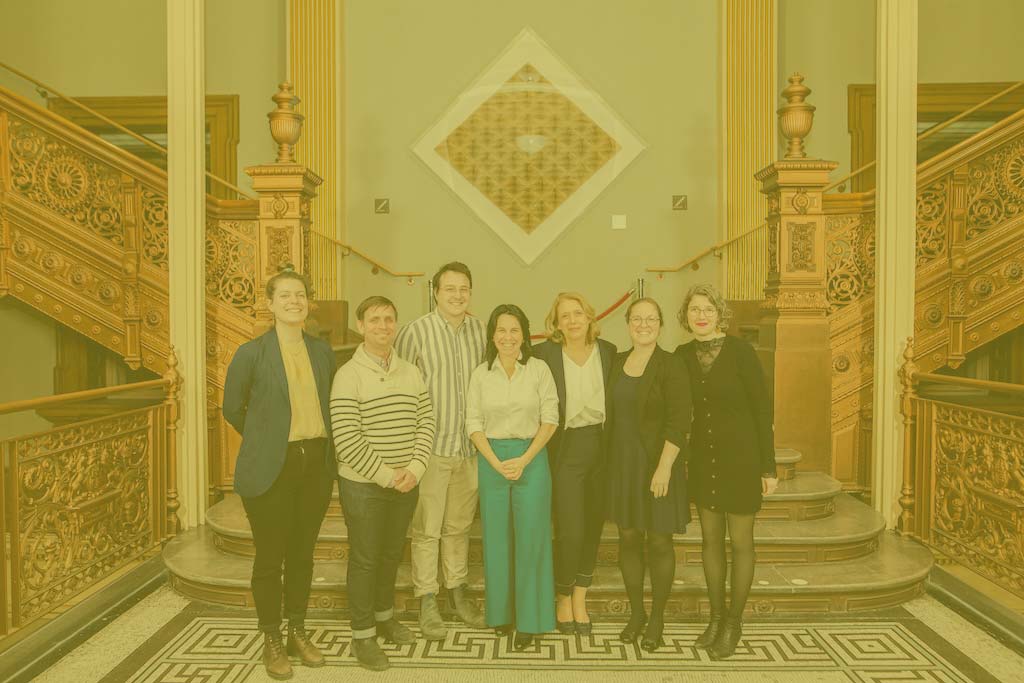
Our active team
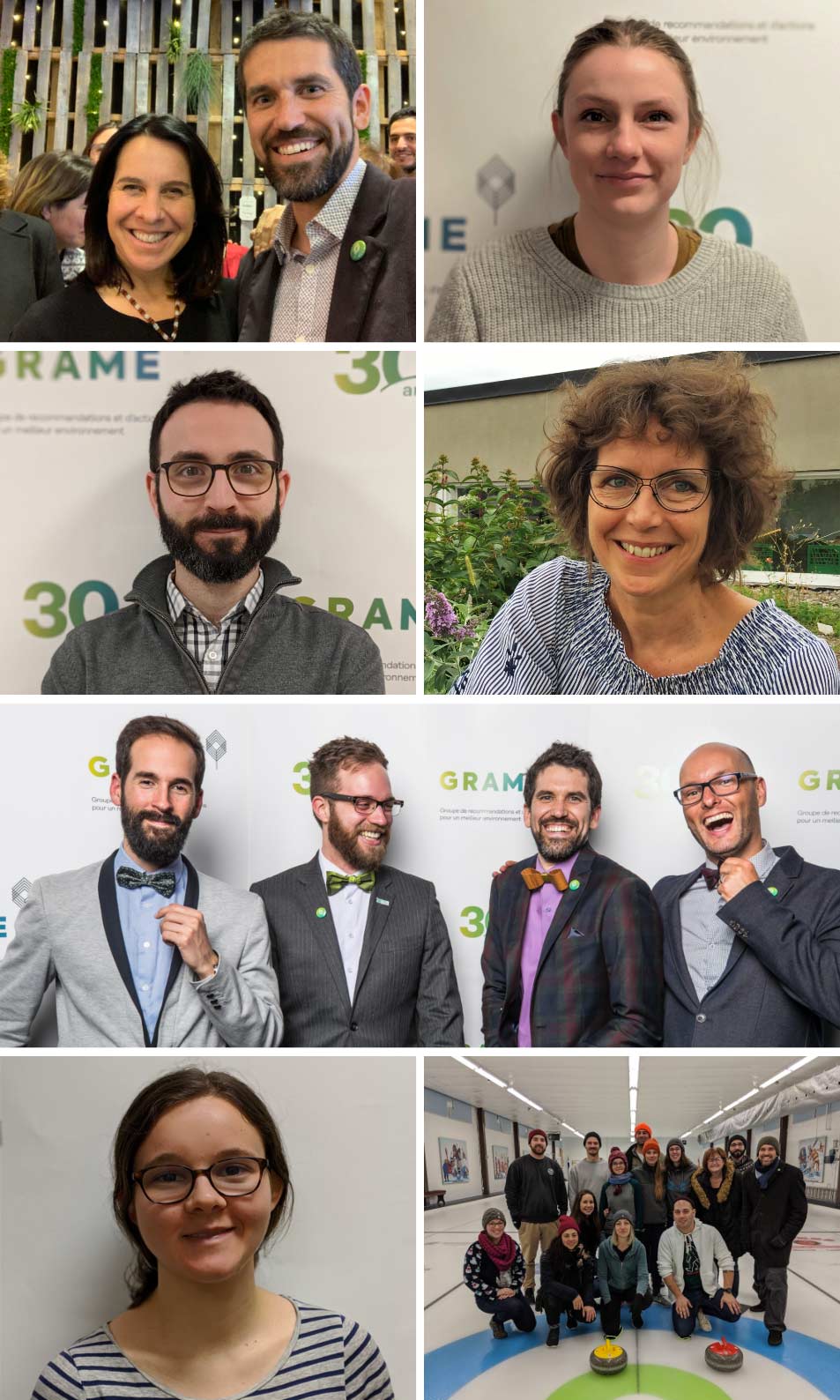
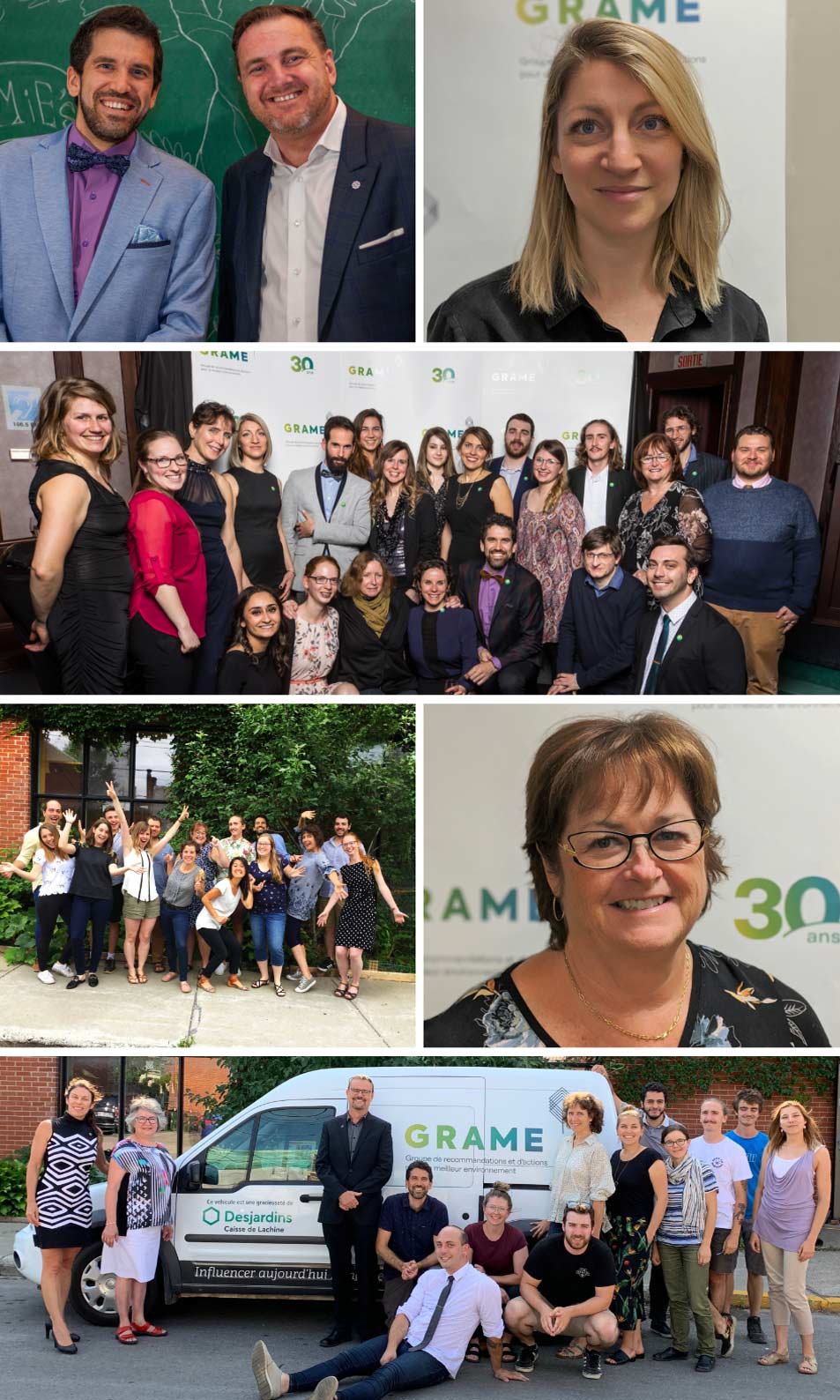
Our team
Residual Materials Management
and Éco-quartier Lachine
Greening
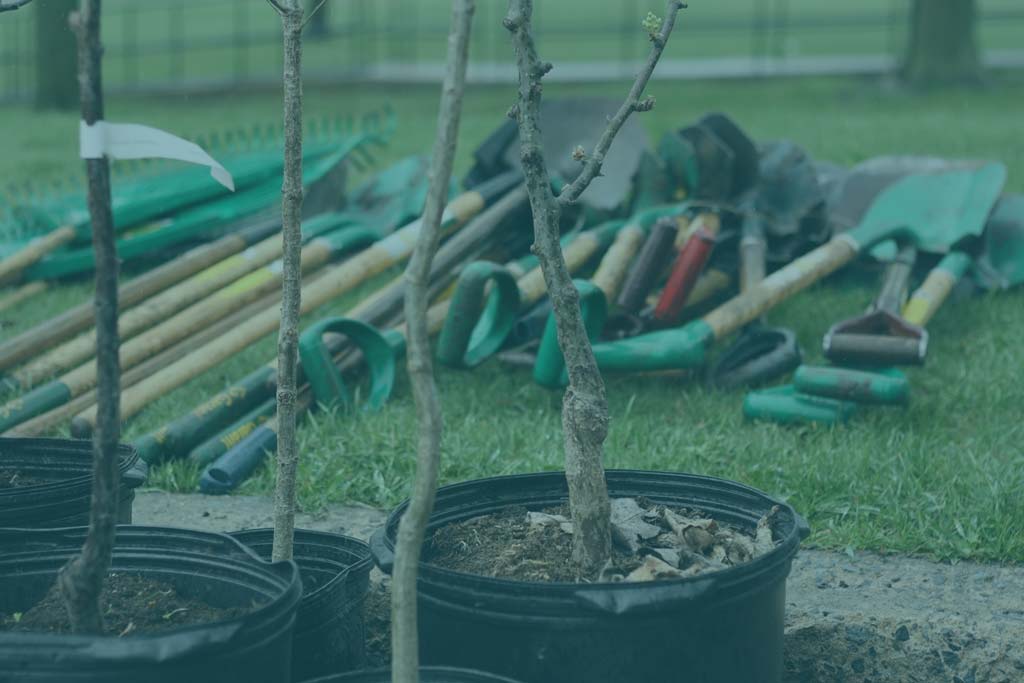
Our planting staff
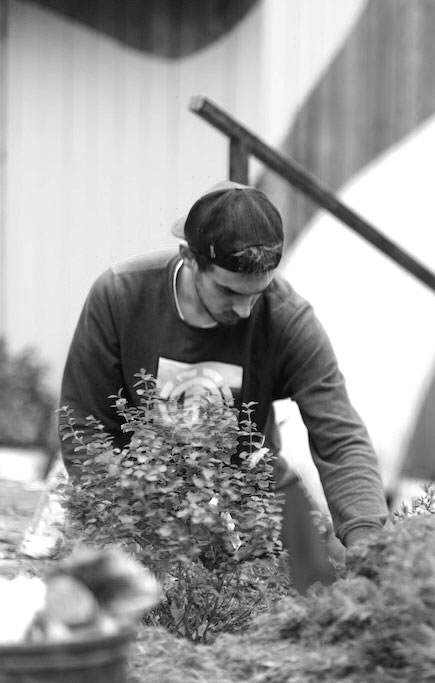
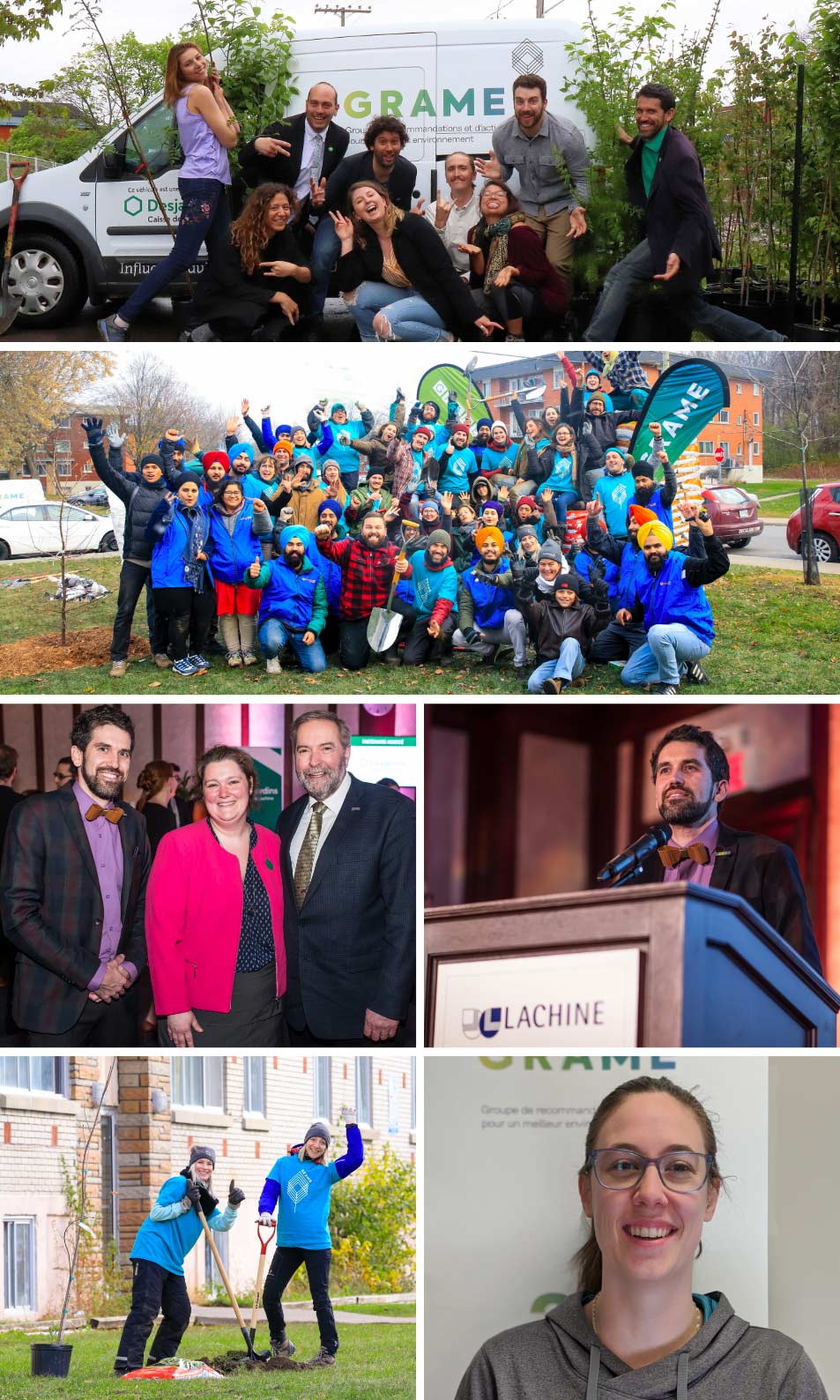
Each summer, the GRAME team grows with a field crew to plant trees and shrubs across Montréal’s West Island. We’re grateful for our team’s hard work, rain or shine! Have a great season!
Board of Directors
Isabelle
Morin
President
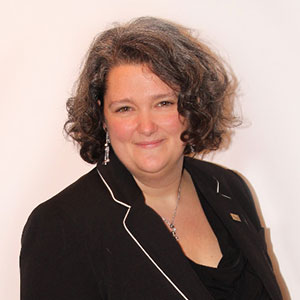
Isabelle Morin is a versatile woman deeply committed to social causes who has held several roles throughout her career. First trained in education to become a high school French teacher, she entered politics at age 26 and became the federal MP for the Notre-Dame-de-Grâce—Lachine riding in the 2011 election, during the Orange Wave alongside Jack Layton. During her time in Parliament, she advocated, among other things, for a better environment, for young people’s place in Canadian democracy, for animal rights, and for a stronger public transit strategy. After her foray into politics, Isabelle moved into philanthropy. She is currently Director, Development and Communications at Mission inclusion, a Montréal-based foundation working in Quebec and internationally in a mobilizing and innovative way to support the inclusion of the most marginalized people.
Adèle
Boucher
Director
Adèle Boucher is an urban planner and a member of the Ordre des urbanistes du Québec. She holds a master’s degree in urban planning from the Université de Montréal’s School of Urban Planning and Landscape Architecture (UdeM) and the École d’Urbanisme de Paris (EUP). Her expertise focuses on urban planning, transportation planning and mobility, territorial diagnostics, and integrated urban development. Adèle notably worked in Vietnam on adapting cities to the impacts of climate change, mitigating environmental risks in urban planning, urban resilience, and integrated urban development in mid-sized cities in Southeast Asia (Vietnam, Myanmar, Laos, Cambodia, Indonesia and Sri Lanka). Today in Montréal, she works in transportation and mobility. She is involved in feasibility studies for light automated metro, BRT and tramway projects, as well as environmental impact studies across several regions of Quebec.
Paul
Bourque
Secretary
Born in Montréal and living in Lachine, Paul Bourque holds a Certificate in Industrial Management (CIM). He served 3M for over 30 years and also sat on several federal and provincial committees working in road safety, traffic, and intelligent transportation systems.
Manager/founder of Pabeco Inc. since 1999, he is a member of several boards of directors and various associations, including Trajectoire.org and ITE.org. His involvement in road safety, the environment, public transit and taxation has led him to take action and submit briefs.
Trilingual and athletic, he passes on to the next generation his passion for innovation and technology transfer, across many fields such as heat islands, GHG reduction, rooftop agriculture, and structural draining surfaces.
Vincent
Gagné-Pilon
Director
Vincent Gagné-Pilon holds a bachelor’s degree in communications from “Alma Mater” and a master’s degree in human resources management from HEC Montréal.
Vincent currently works at Desjardins as a Senior Talent Acquisition Advisor. He and his team handle recruitment in the insurance sector in Quebec and Ontario. He previously worked in the health network in talent acquisition for the three preceding years. One of his main mandates was launching recruitment through the “Je contribue” initiative during the COVID-19 pandemic.
Vincent is passionate about people, their environment, and finding the right fit for each person in the workplace. Outside of work, Vincent is a dedicated athlete!
Marjorie
Guillemette-Lavoie
Director
Holding a master’s degree in administration with a specialization in corporate social responsibility, a graduate-level short program in public administration, and a governance certification, Marjorie works in ecological transition at the City of Montréal. With strong experience in business development and sustainable development, she has studied and worked in various places around the world, and has volunteered for many years, notably with youth. Marjorie coordinated GRAME’s environmental education projects from 2018 to 2019 and joined the Board of Directors in 2020. Marjorie is passionate about human relationships, plants, and scuba diving.
Julien-Pierre
Lacombe
Director
Julien-Pierre Lacombe holds a bachelor’s degree in business administration and a master’s degree in environmental management. With about fifteen years of professional experience, he has worked as a sustainability advisor at École de technologie supérieure (ÉTS) since 2011. A professional in applying sustainable development within organizations, project management, communications and marketing, he dedicates his career to projects that generate positive impacts for the environment and society. His expertise includes, among other areas, climate change mitigation, sustainable mobility, integrating arts and culture, strategic planning, and sustainability awareness. He has been a member of GRAME’s governance committee since January 2021 and a director since June 2021.
Rokhaya
Laye Diagne
Director
Trained as a geographer, Lucie began her career as a consultant in the space sector after completing a master’s degree in remote sensing at University College London in the United Kingdom. Her work alternated between market or strategic analysis projects for clients ranging from space agencies to satellite manufacturers/operators or other satellite imagery users, and so-called due diligence projects serving investors financing international satellite systems of all kinds. During her consulting assignments, she proactively developed an interest in communications and marketing (short contracts at the Canadian Space Agency) as well as business development, which later led her to take on a business development role at a Quebec reforestation and carbon offset company. She also briefly took part in various sustainable development actions and projects as a climate protection officer at McGill University. Since then, she has focused on mandates aimed at supporting stakeholders seeking to improve their carbon footprint and communicate their sustainable development ambitions. Bilingual in French and English, she brings her multi-sector experience and technico-strategic versatility to GRAME as a volunteer and director since summer 2019.
Juste
Rajaonson
Director
Juste Rajaonson has served on GRAME’s Board of Directors since 2020. He is a professor in the Department of Urban and Tourism Studies at Université du Québec à Montréal and Vice-President of the City of Montréal’s Intercultural Council. He holds a PhD in urban studies and a management certification from Harvard Business School, and specializes in evaluating public interventions through the lens of sustainable development. A former federal public servant, Juste worked alongside senior federal officials at the Privy Council Office, where in 2019 he led the evaluation of new recruitment initiatives in the federal public service. He coordinated reviews and audits of management at Economic Development Canada and contributed to the success of many federal public interventions, including financial assistance programs dedicated to underrepresented groups such as Indigenous peoples, women, youth and remote communities, as well as promoting a greener economy. He brings to GRAME 15 years of combined experience in the public, academic and non-profit sectors, which has led him to sit on numerous expert committees on sustainable urban and regional development in Quebec, teach for five years at the Université de Montréal’s Faculty of Planning, publish in international research journals, and present his work since 2011 in Europe, the United States and across Canada at international conferences on cities.
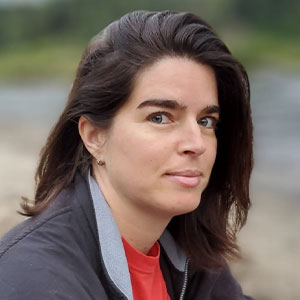
Ginette
St-Louis
Director
Me St Louis graduated in law from the Université de Montréal and has been a member of the Barreau du Québec since 2011. During her studies, she was a member and then Vice-President for Sustainable Development of the faculty’s Environment Committee, and she successfully led two sustainable development projects at the faculty and in Quebec’s legal field. After starting her career in the Quebec public service while working part-time as a law instructor, M e St Louis opened her own business specializing in training and legal services in 2016, St Louis JurInnovation. She frequently works as a trainer and speaker and specializes in business law, practicing contract law on a daily basis, as well as real estate law and international law.
Me St Louis also acts as legal counsel to leaders of small and medium-sized businesses, as well as to para-public bodies and non-profit organizations, to ensure sound internal contract management.
Lucie
Viciano
Treasurer
Trained as a geographer, Lucie began her career as a consultant in the space sector after completing a master’s degree in remote sensing at University College London in the United Kingdom. Her work alternated between market or strategic analysis projects for clients ranging from space agencies to satellite manufacturers/operators or other satellite imagery users, and so-called due diligence projects serving investors financing international satellite systems of all kinds. During her consulting assignments, she proactively developed an interest in communications and marketing (short contracts at the Canadian Space Agency) as well as business development, which later led her to take on a business development role at a Quebec reforestation and carbon offset company. She also briefly took part in various sustainable development actions and projects as a climate protection officer at McGill University. Since then, she has focused on mandates aimed at supporting stakeholders seeking to improve their carbon footprint and communicate their sustainable development ambitions. Bilingual in French and English, she brings her multi-sector experience and technico-strategic versatility to GRAME as a volunteer and director since summer 2019.
External team
Nicole Moreau
Energy Analyst, public consultations
Prunelle Thibault-Bédard
Lawyer
Geneviève Paquet
Lawyer, public consultations
Marc Bishai
Lawyer
Our volunteers
Get involved in your community!
GRAME works directly in the field for a tangible impact on the environment—and therefore on residents’ well-being. Would you like to give a bit of your time? Whether regularly or occasionally, we’re always looking for volunteers!
Be part of the solution
Our partners